

Herb Bardavid
Photographer Exploring Visibility, Presence, and Human Connection in New York City.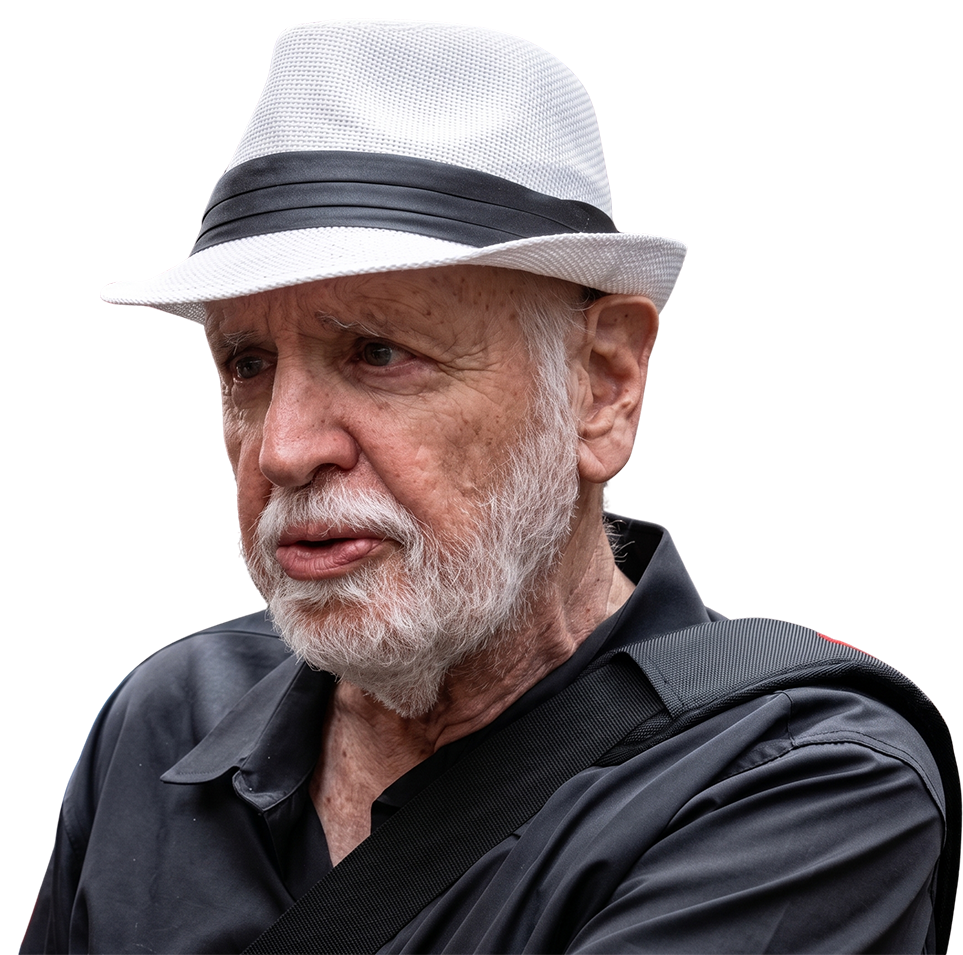
AS SEEN ON





Herb Bardavid:
The Architecture of Presence
by Viviana Puello
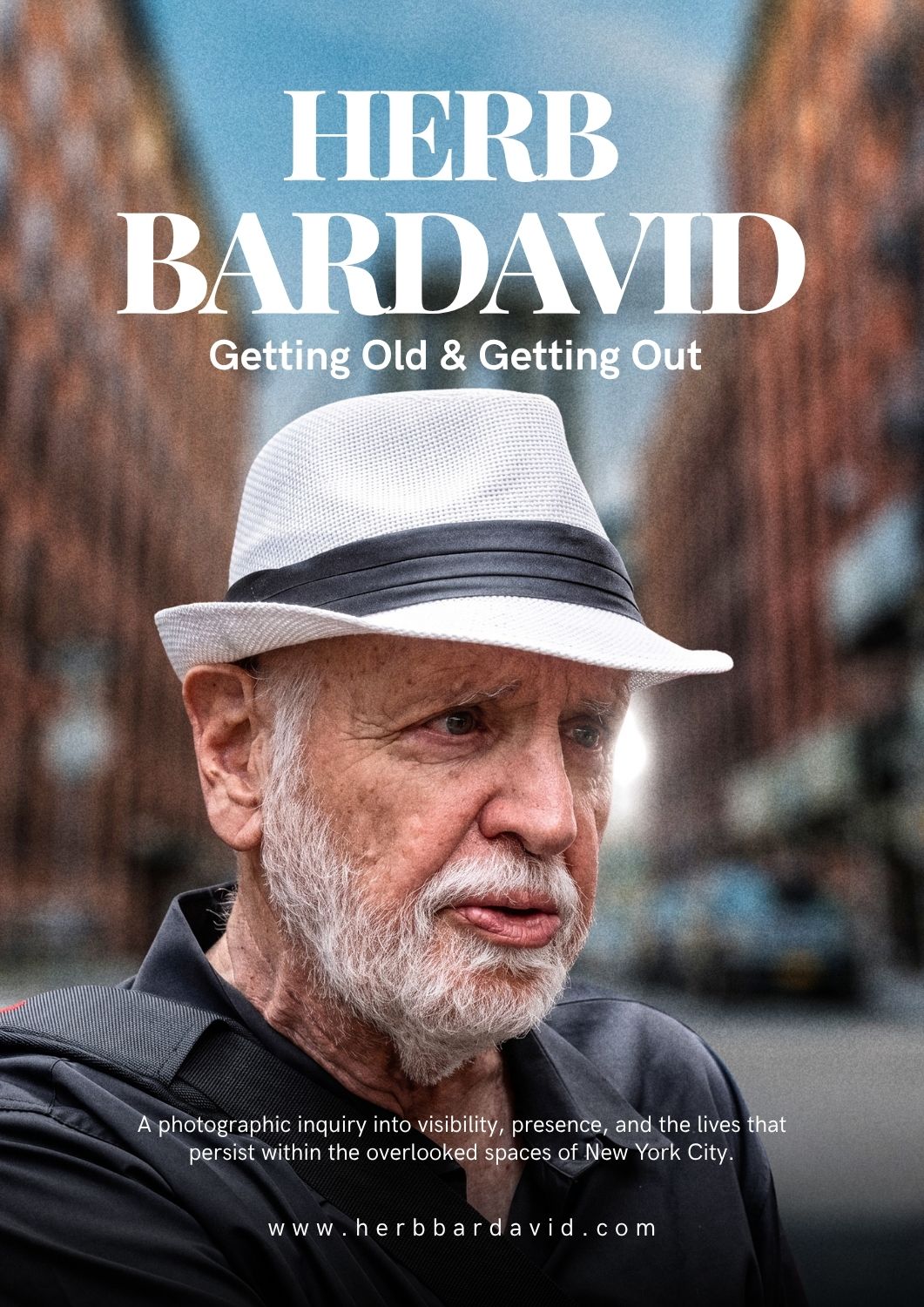
Herb Bardavid
Photography by Alan Grimandi
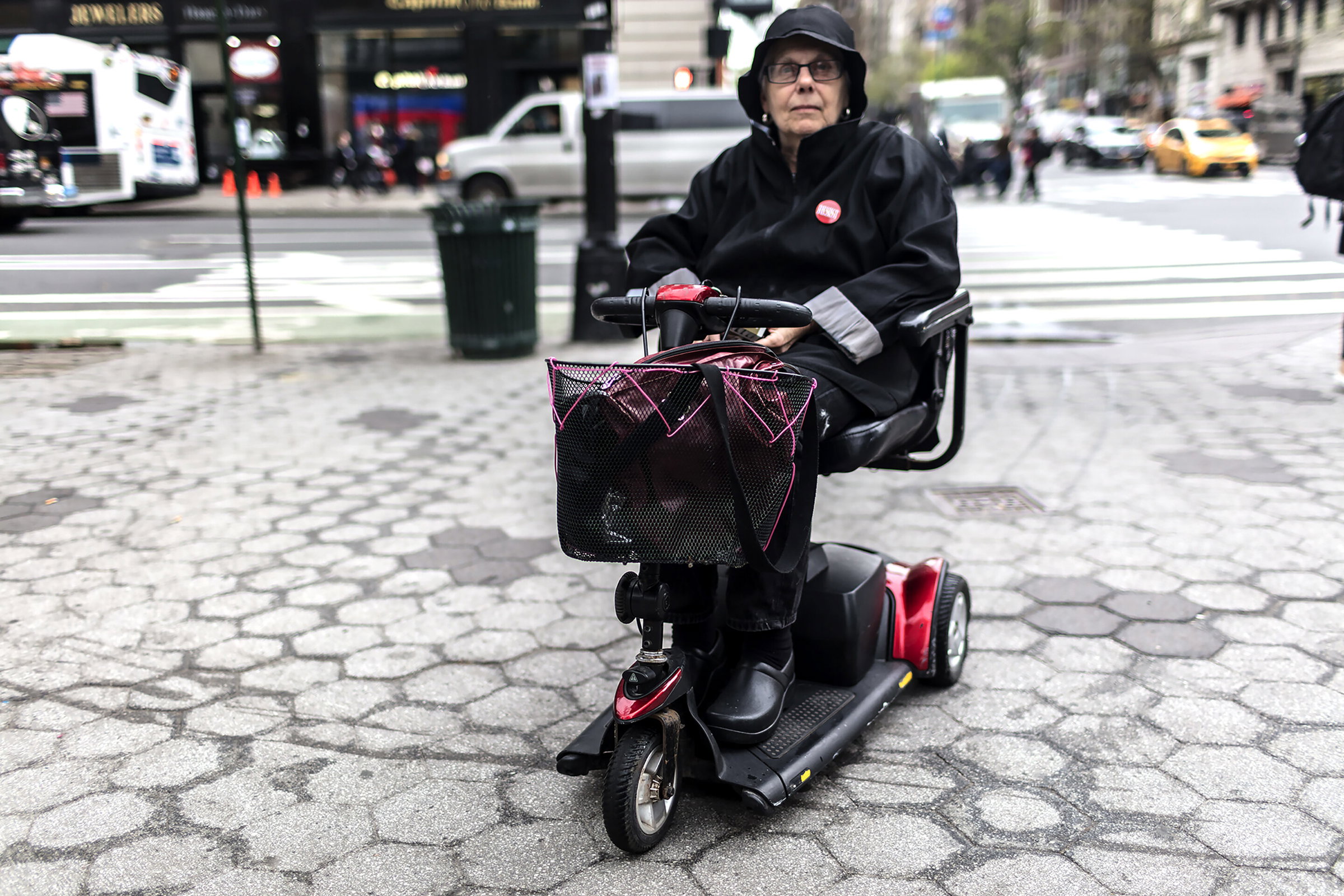
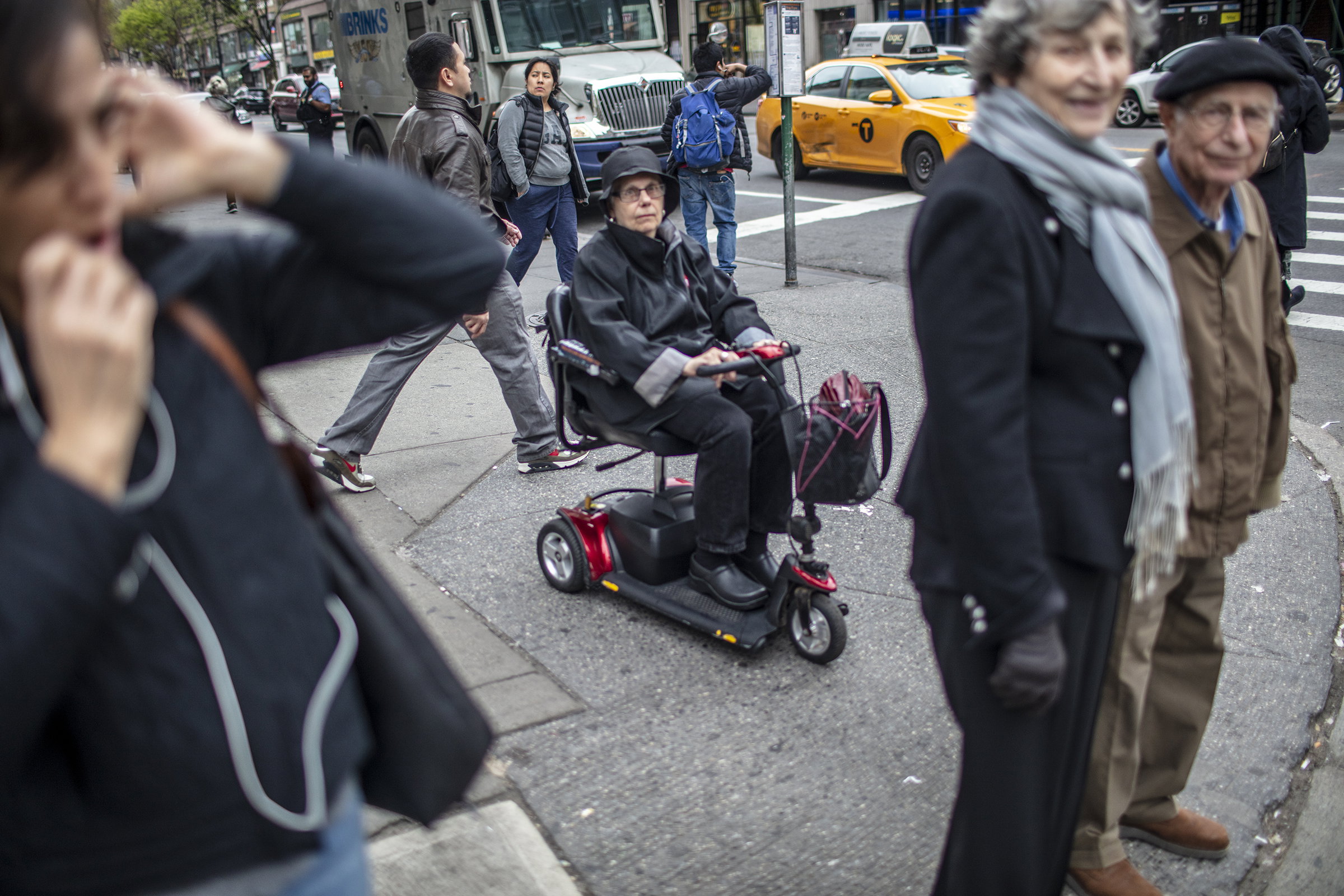
Herb Bardavid’s Getting Old and Getting Out addresses a condition embedded within contemporary urban life: the steady disappearance of those who remain physically present yet perceptually overlooked. Situated within the accelerated rhythm of New York City, the series redirects attention toward individuals who continue to occupy public space with quiet consistency, even as the surrounding environment moves past them.
This is not a meditation on aging. It is a redefinition of visibility.
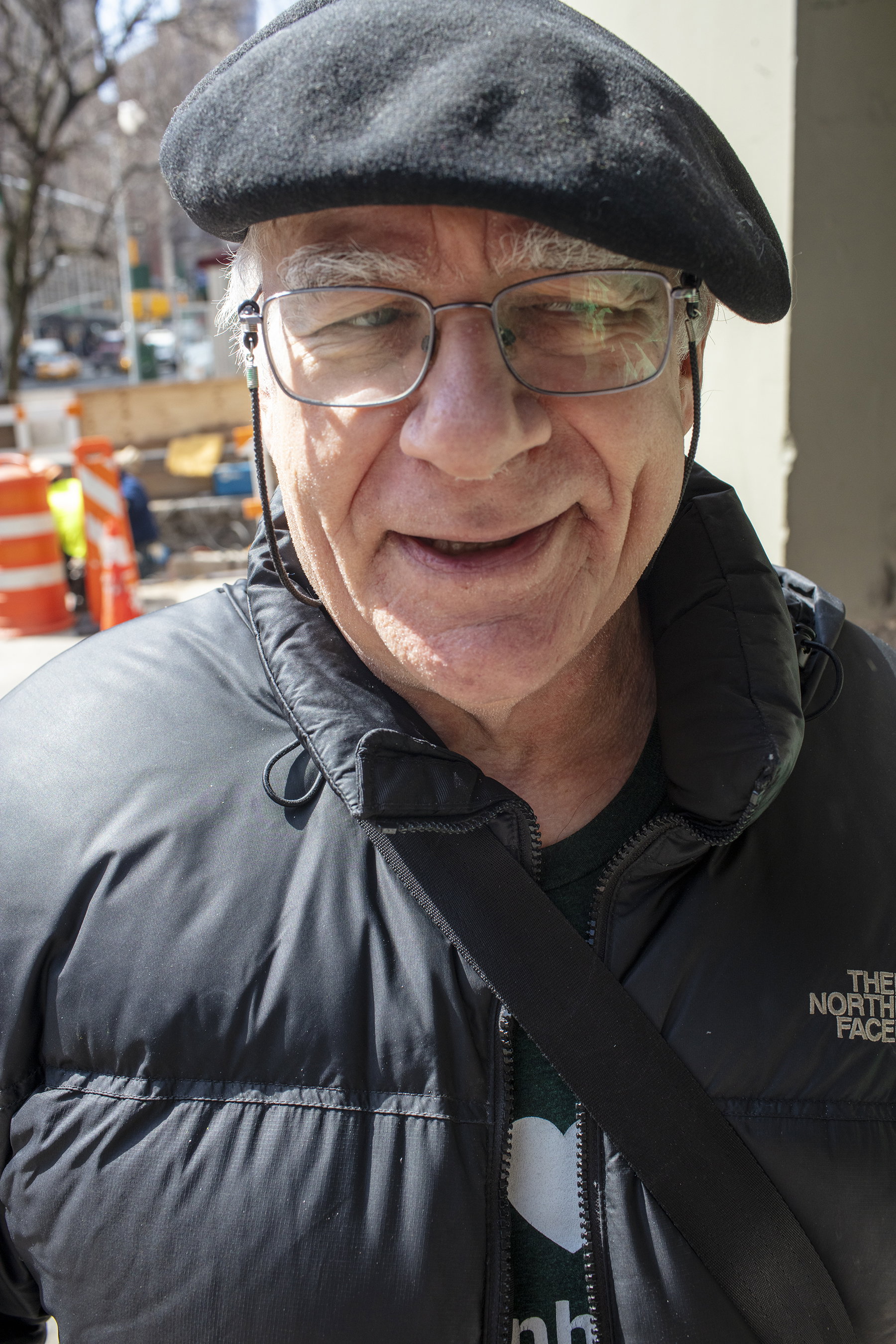
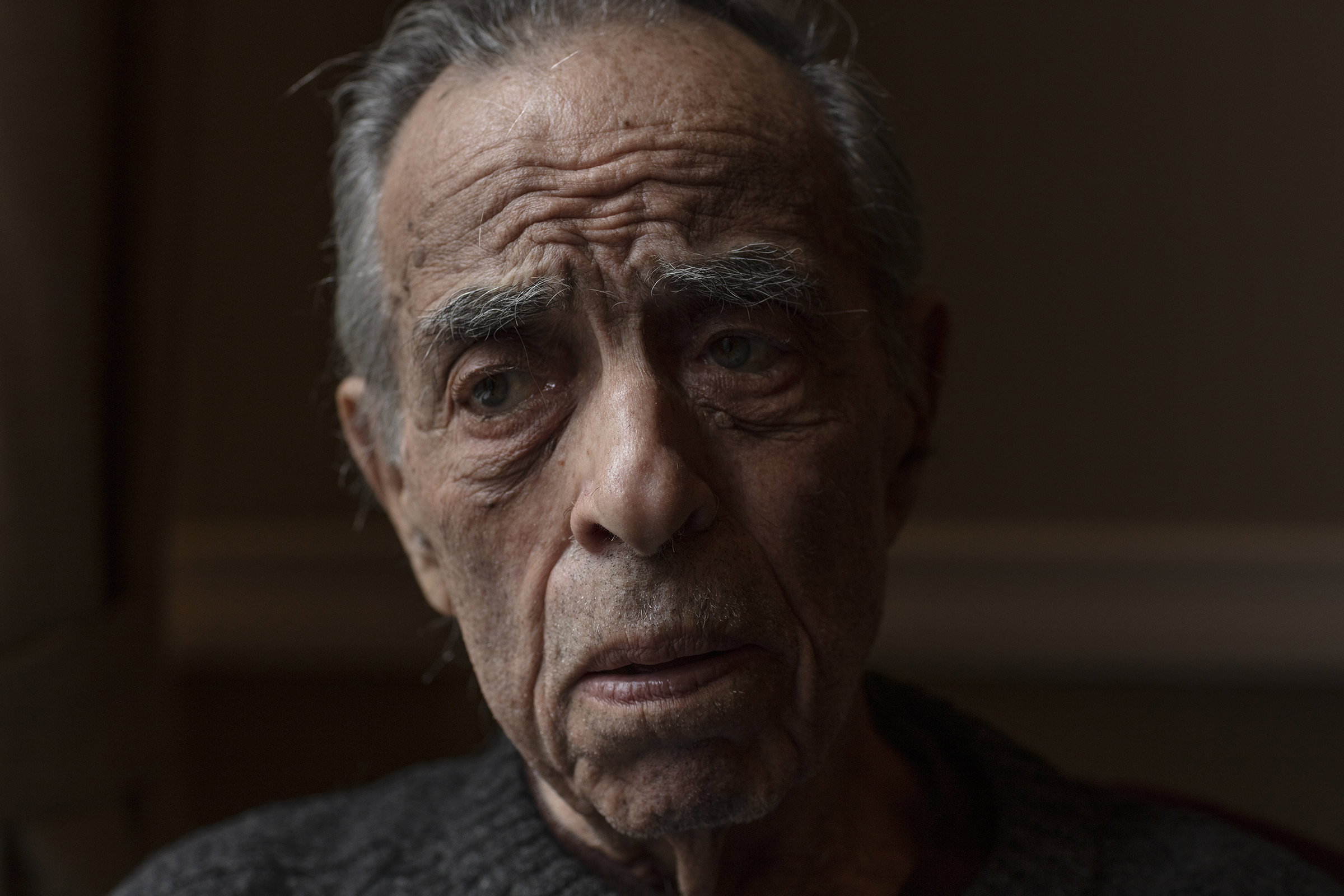
Bardavid’s images operate with restraint and precision. They do not interrupt the flow of the city; they hold within it. Each subject—whether in motion or at rest—anchors the frame with a grounded presence that resists dismissal. There is no imposed narrative and no aesthetic dramatization. What emerges instead is a direct encounter with lives that persist in full continuity, without concession to spectacle or sentiment.
The shift in perception is gradual but decisive.
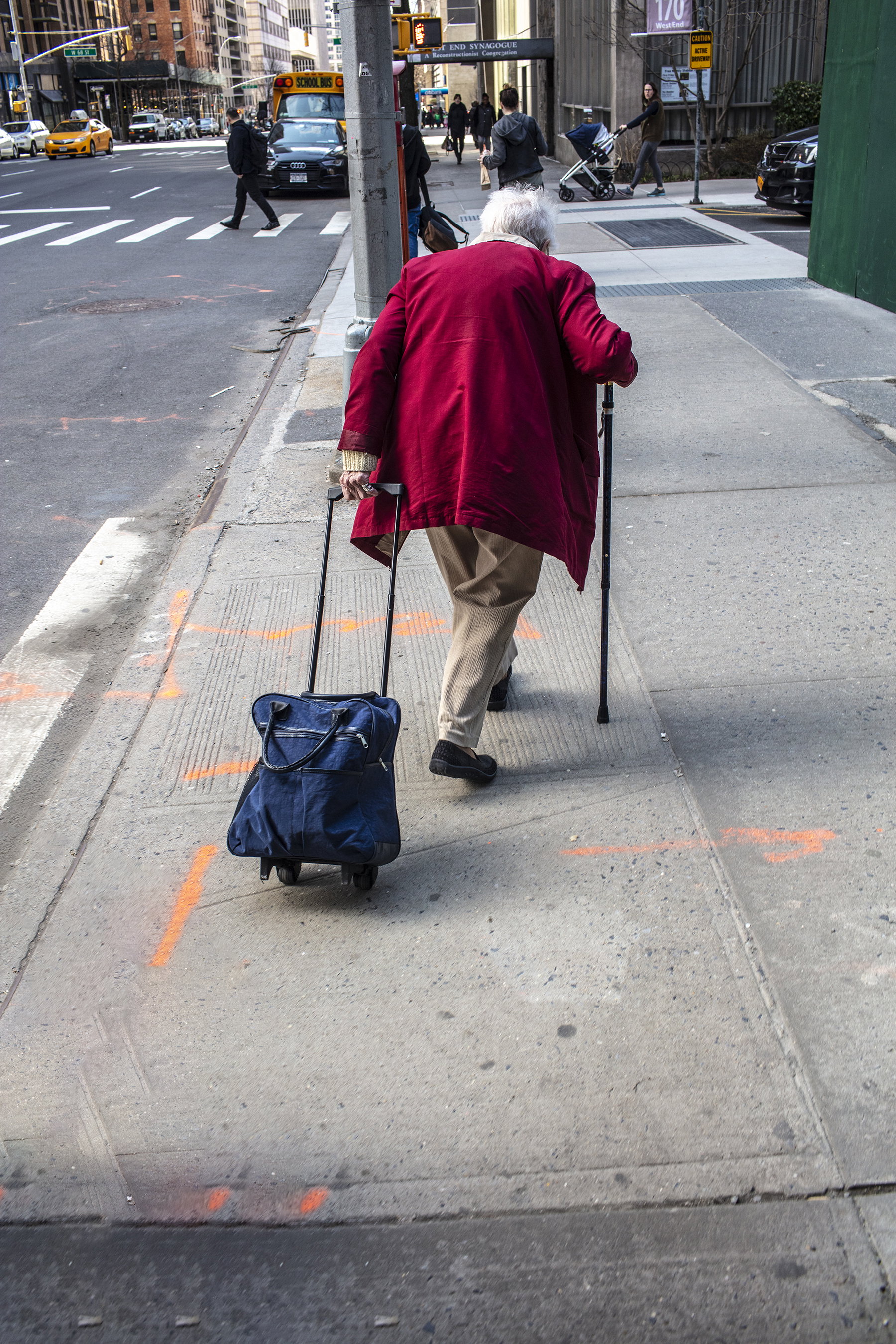
A figure moving across a sidewalk is no longer read through fragility, but through endurance. A solitary presence expands beyond isolation, carrying the visible weight of lived time. These images do not resolve quickly. They require duration. And within that duration, recognition begins to take form—not as an emotional reaction, but as an adjustment in how the viewer perceives presence itself.
Bardavid’s practice is built on sustained engagement. His process is not observational in the detached sense; it is grounded in proximity, dialogue, and time.
This approach produces a visual language shaped by mutual acknowledgment rather than distance. The photographs do not interpret or define their subjects. They allow them to remain fully within their own condition of being.
The series gains its force through accumulation. One encounter follows another, forming a continuum that reflects persistence within shared space. Meaning is not assigned or imposed. It emerges through repetition, through duration, and through the act of sustained attention itself.
What ultimately takes place is a recalibration of vision.
In a city structured around speed and forward momentum, Bardavid redirects attention toward those who remain constant within that movement. The work does not invite empathy as sentiment. It establishes recognition as a perceptual and civic act. These individuals are not peripheral—they are integral to the lived reality of the city.
The images do not conclude with themselves.
They extend into the viewer’s own perception, altering the act of looking beyond the frame. The work endures not because it documents a condition, but because it transforms how that condition is seen.
And once that shift occurs, it cannot be reversed.
About Herb Bardavid
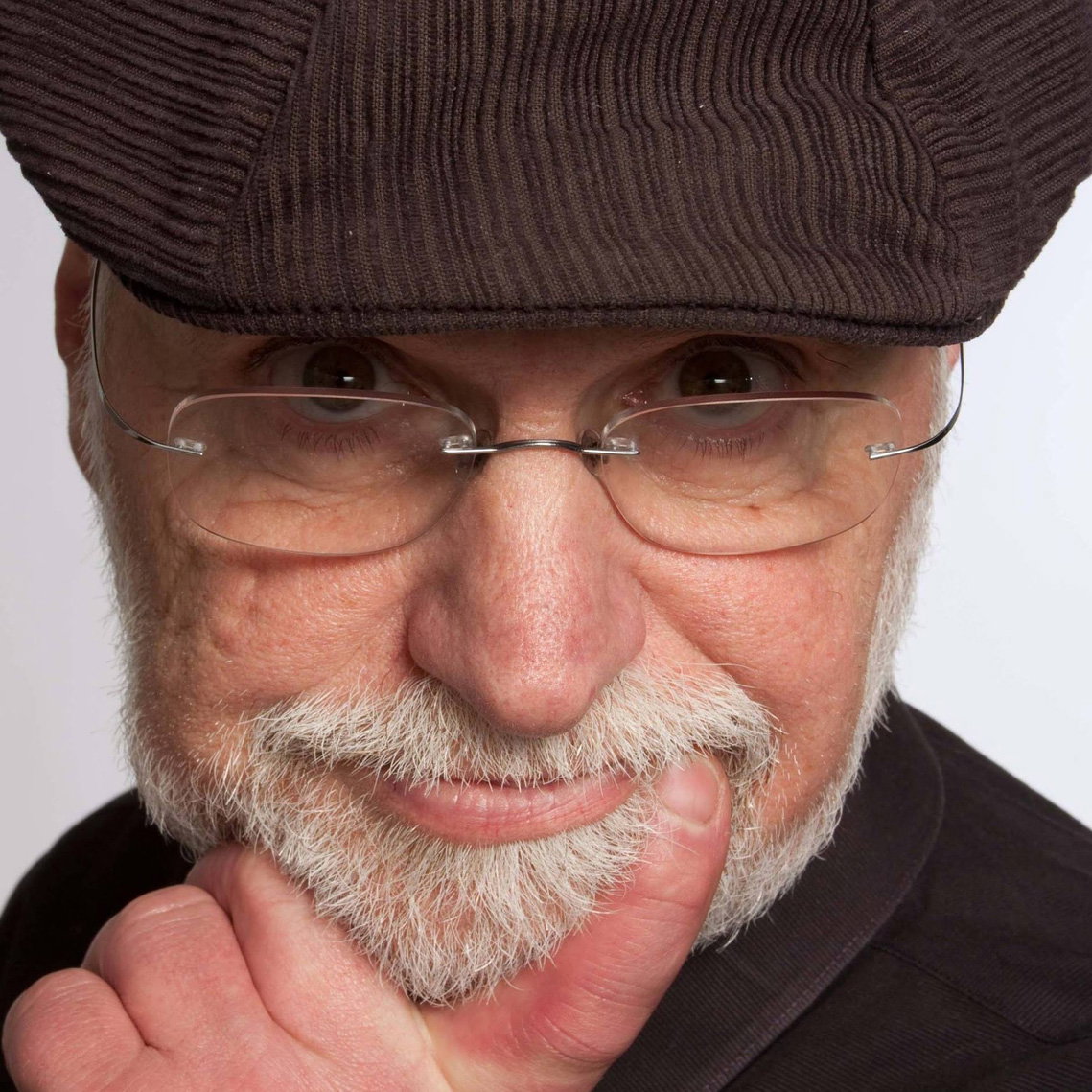
Herb Bardavid
Photography by Jessica B. Graff
Herb Bardavid is a New York–based photographer whose work centers on visibility, duration, and the presence of the individual within the evolving landscape of the city. His practice is rooted in sustained observation and long-term engagement, forming a body of work that resists immediacy and instead unfolds through time, attention, and lived encounter.
Bardavid’s photographic language is shaped by both formal training and decades of human-centered practice. He studied photography and darkroom techniques at Projects Incorporated in Cambridge, Massachusetts—an institution founded by Minor White—as well as at The New School, the School of Visual Arts, and the International Center of Photography in New York. His continued development includes advanced workshops at the CUNY Graduate School of Journalism and international study in Ecuador, Peru, Cuba, and Marseille.
His work has been exhibited in solo and group exhibitions across the United States and Europe, including New York City and Barcelona, and has been published in PDN Photo Magazine, Shots Magazine, The Gotham Gazette, and ArtTour International Magazine. His projects have received national and international media attention, including features on CBS News, NBC digital platforms, and Patch.
Underlying Bardavid’s photographic practice is a parallel career spanning more than four decades as a licensed clinical social worker. This experience informs a methodology grounded in presence, listening, and ethical engagement. His approach to photography is neither observational nor extractive; it is relational. Time, conversation, and mutual acknowledgment form the foundation of his work, allowing subjects to exist within the frame with autonomy and dignity.
Bardavid’s images do not seek to define or interpret. They hold. Through this sustained attention, his work repositions individuals often relegated to the margins, restoring visibility not as sentiment, but as recognition.
He lives and works in Manhattan.
Artist Statement
Herb Bardavid
Photography by Jessica B. Graff
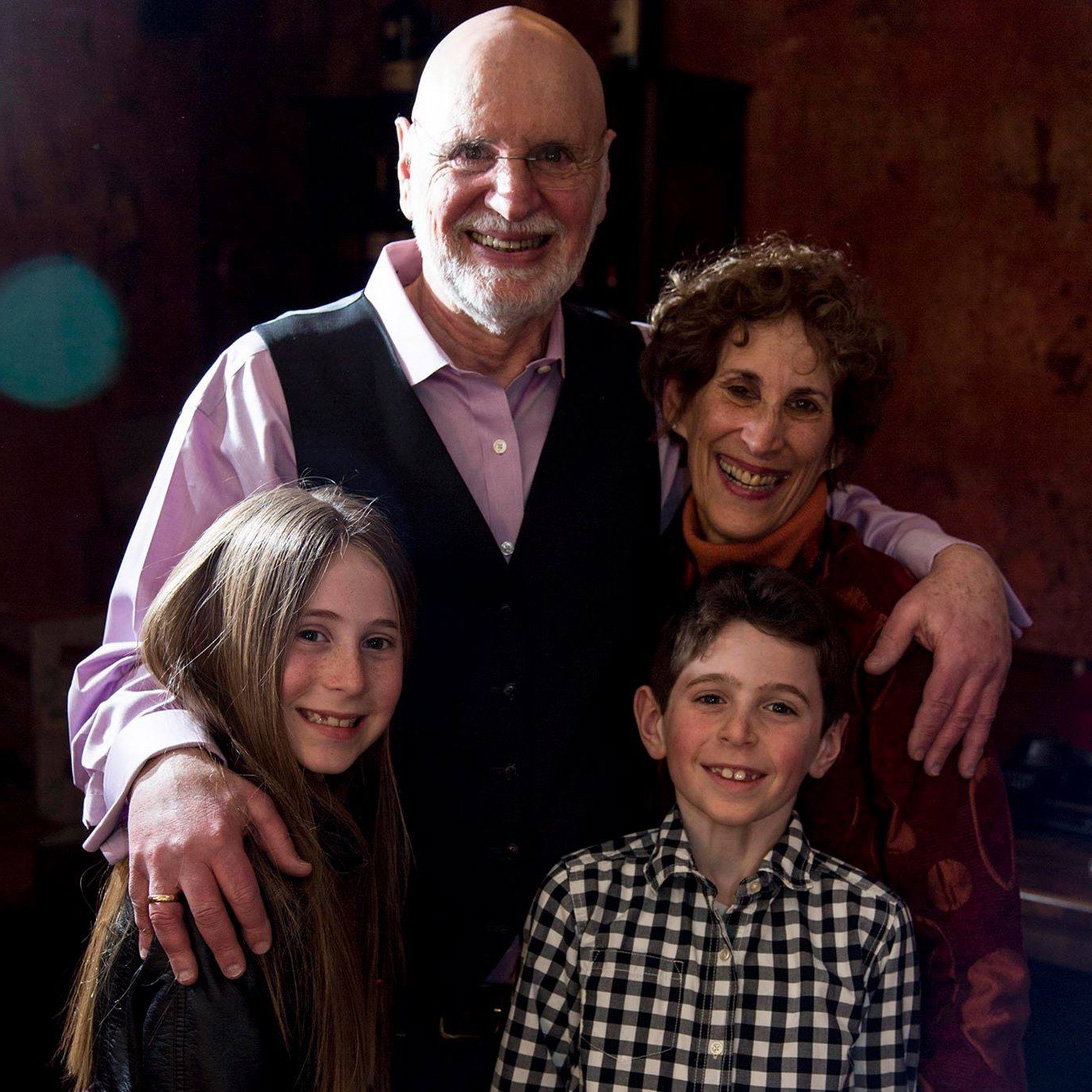
My photographic practice emerges from a long-standing engagement with human presence—shaped by decades of work in psychotherapy and grounded in the belief that being seen is a fundamental condition of existence. I approach the camera not as a tool of observation, but as a site of encounter.
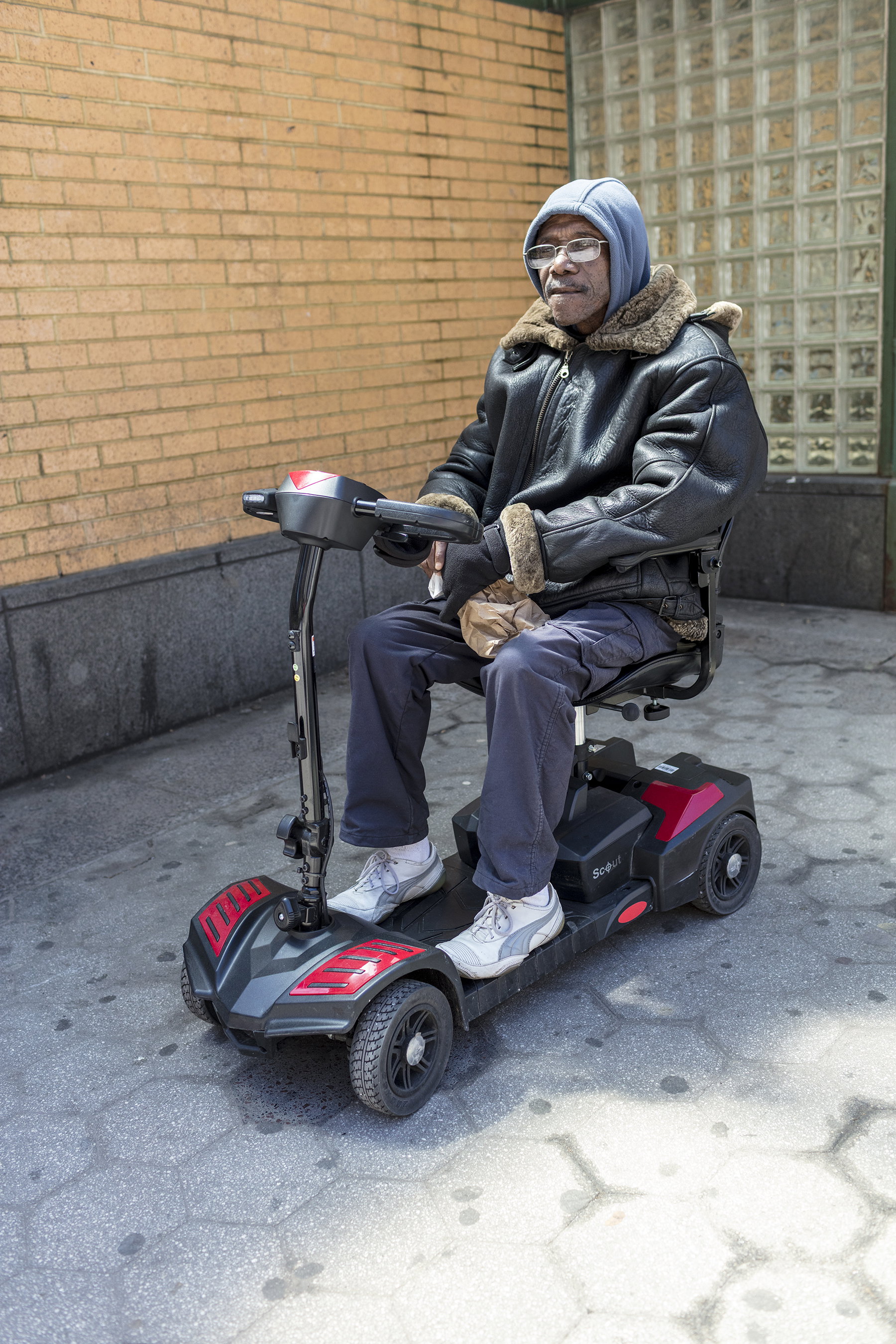
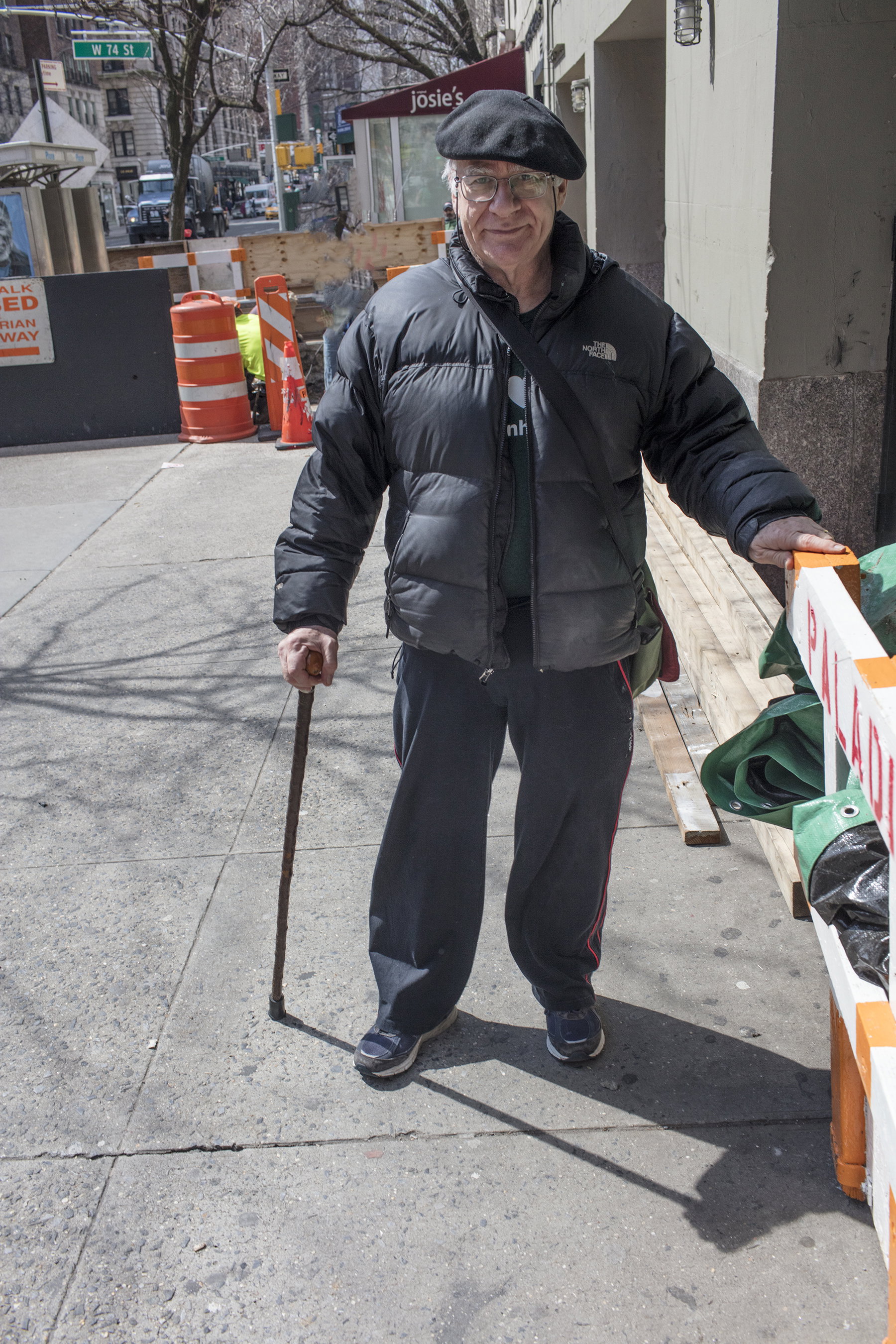
I am drawn to individuals who exist at the edges of collective attention—those whose presence remains physically constant within the city, yet perceptually overlooked. In Getting Old and Getting Out, this focus takes form through sustained engagement with older adults navigating public space in New York City, as well as individuals living on its streets.
This is not a study of marginality. It is an inquiry into visibility.
The work unfolds through time, conversation, and proximity. Each photograph is preceded by an exchange—an act of listening that establishes a shared ground before the image is made. This process resists the conventions of observational distance. It is relational, not extractive. The resulting images do not seek to define or interpret their subjects, but to allow them to remain fully present within the frame.
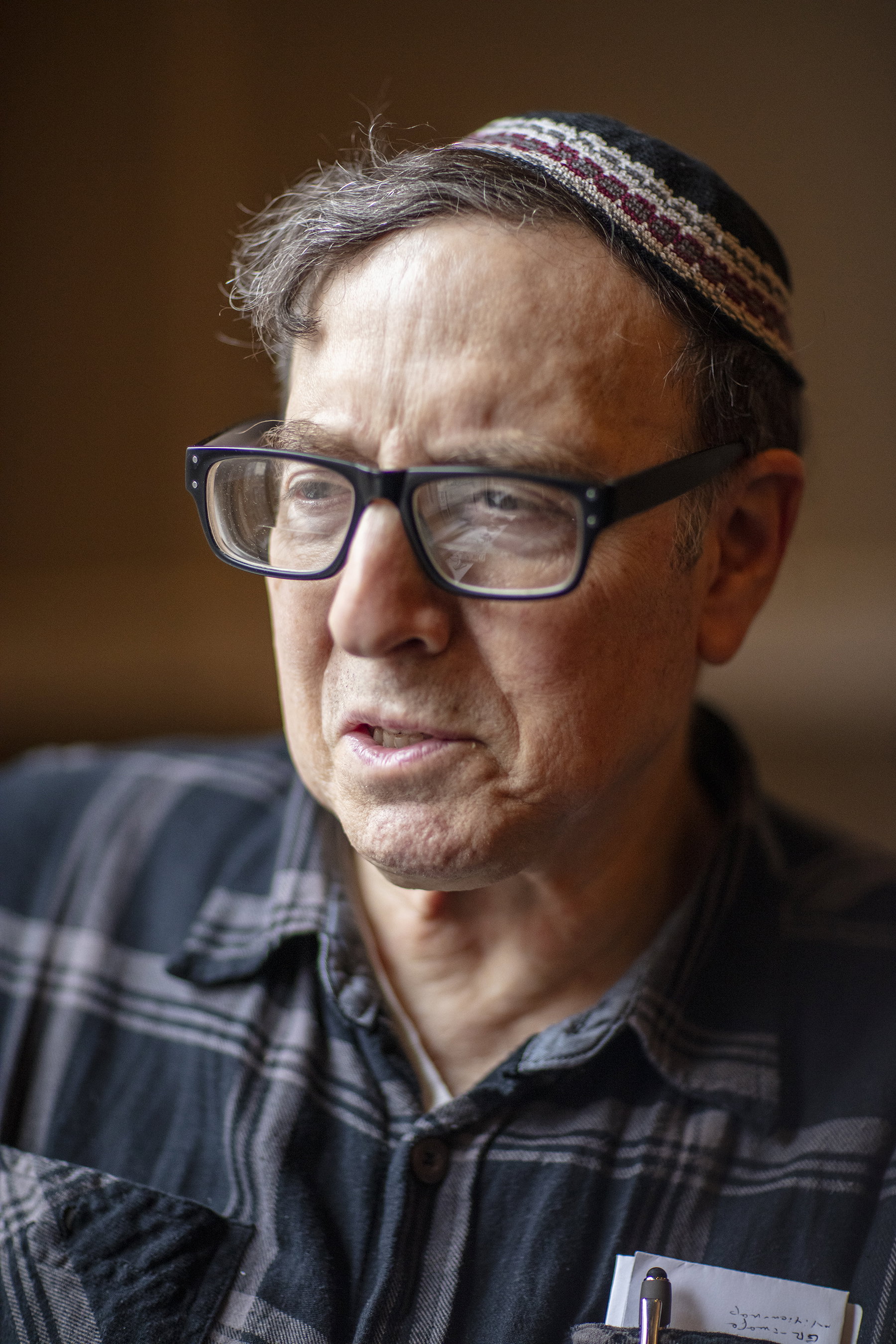
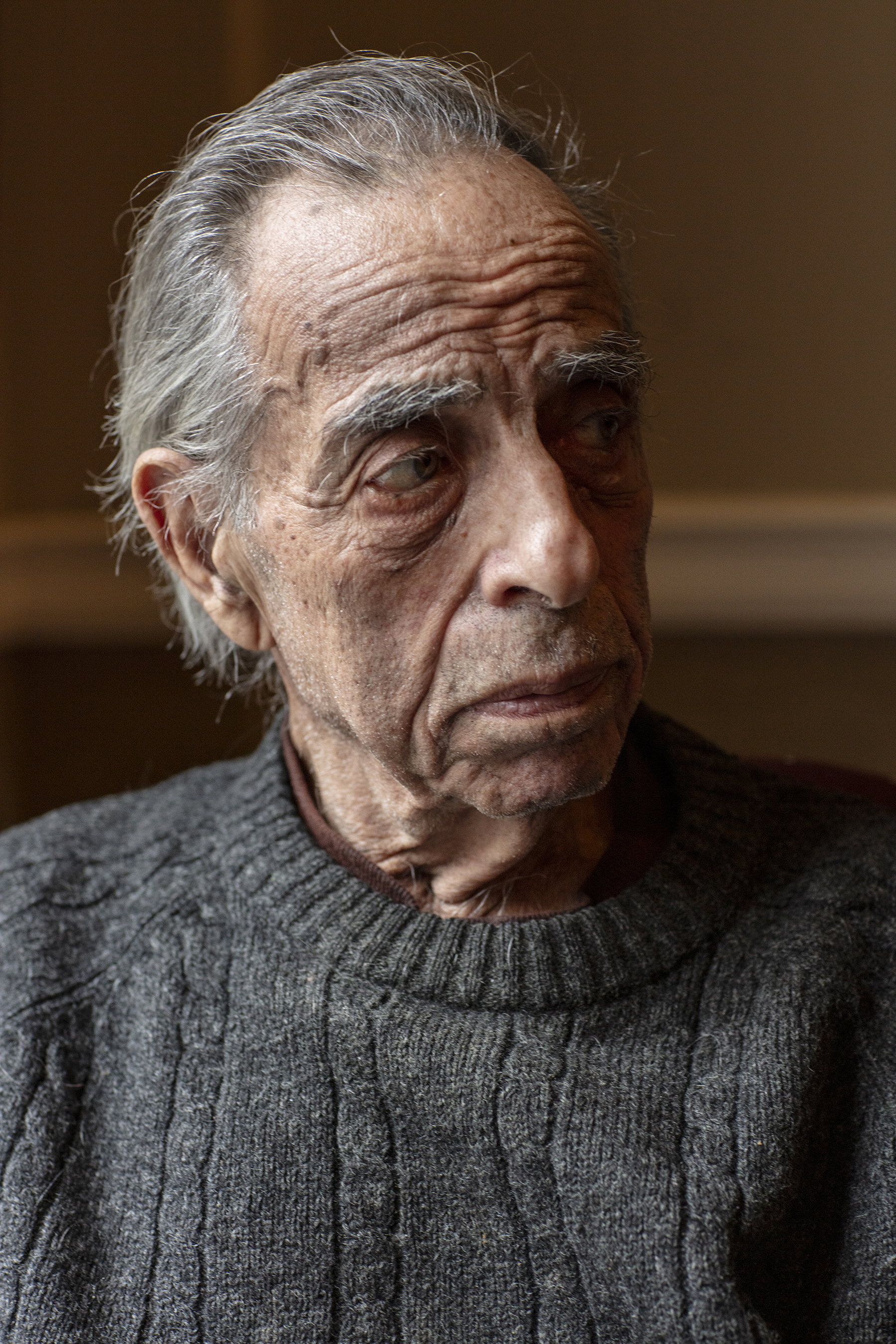
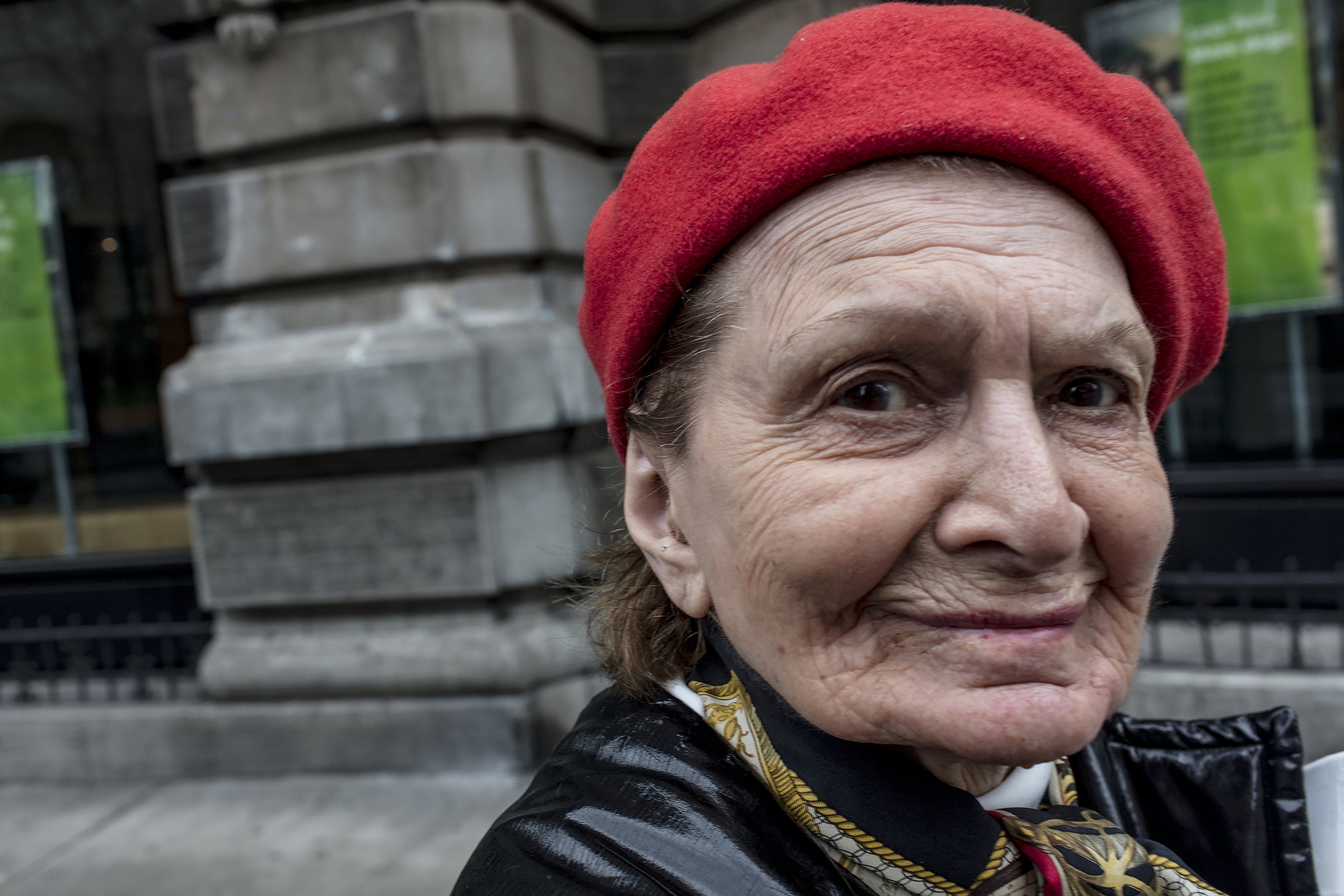
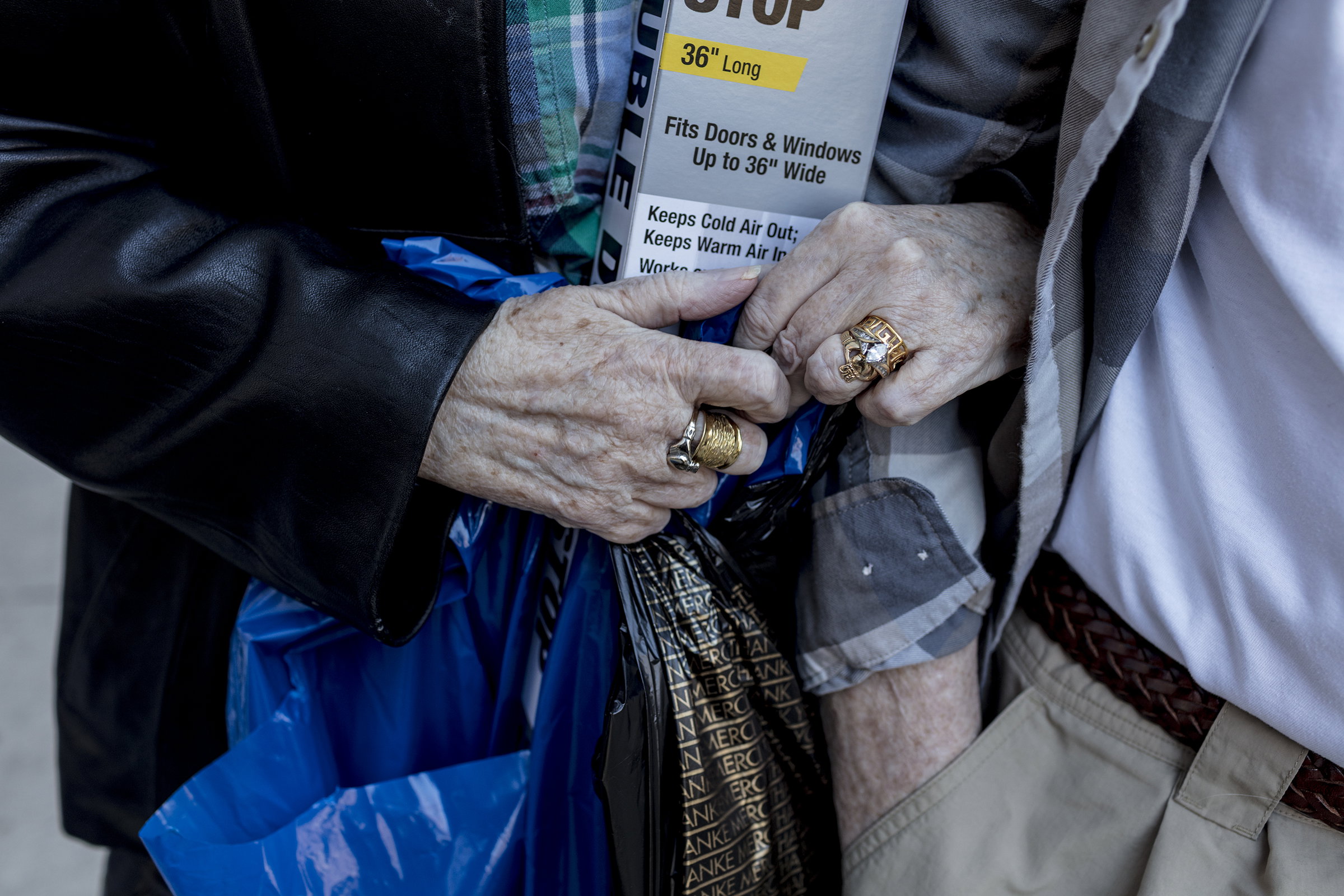
Across the series, attention is directed toward posture, gesture, and pause—subtle registers of lived experience that often go unacknowledged. Public space becomes a site where visibility is negotiated: sidewalks, entrances, and transitional zones where individuals move within systems that are not designed to hold them.
The work is built through accumulation. Meaning does not reside in a single image, but in the continuity that emerges across many encounters. Over time, a pattern becomes perceptible—not of decline, but of persistence. Not of absence, but of ongoing presence.
Underlying this practice is a sustained interest in how individuals are seen, and how they are not.
In a culture shaped by speed, productivity, and forward motion, certain bodies fall outside the dominant field of attention. This work does not attempt to correct that through sentiment. It holds space long enough for recognition to occur.
Photography, in this context, becomes a form of acknowledgment.
Selected Works
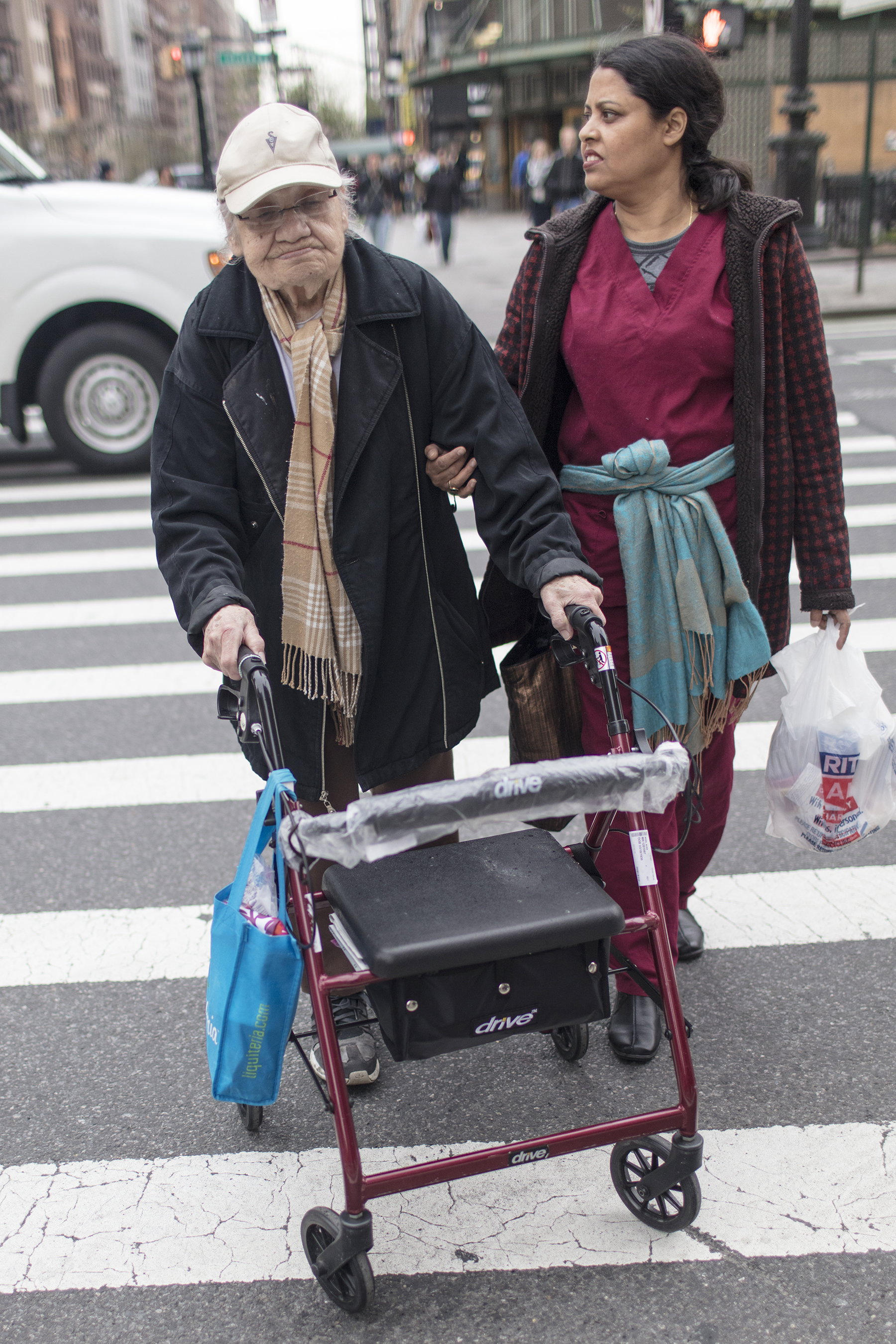
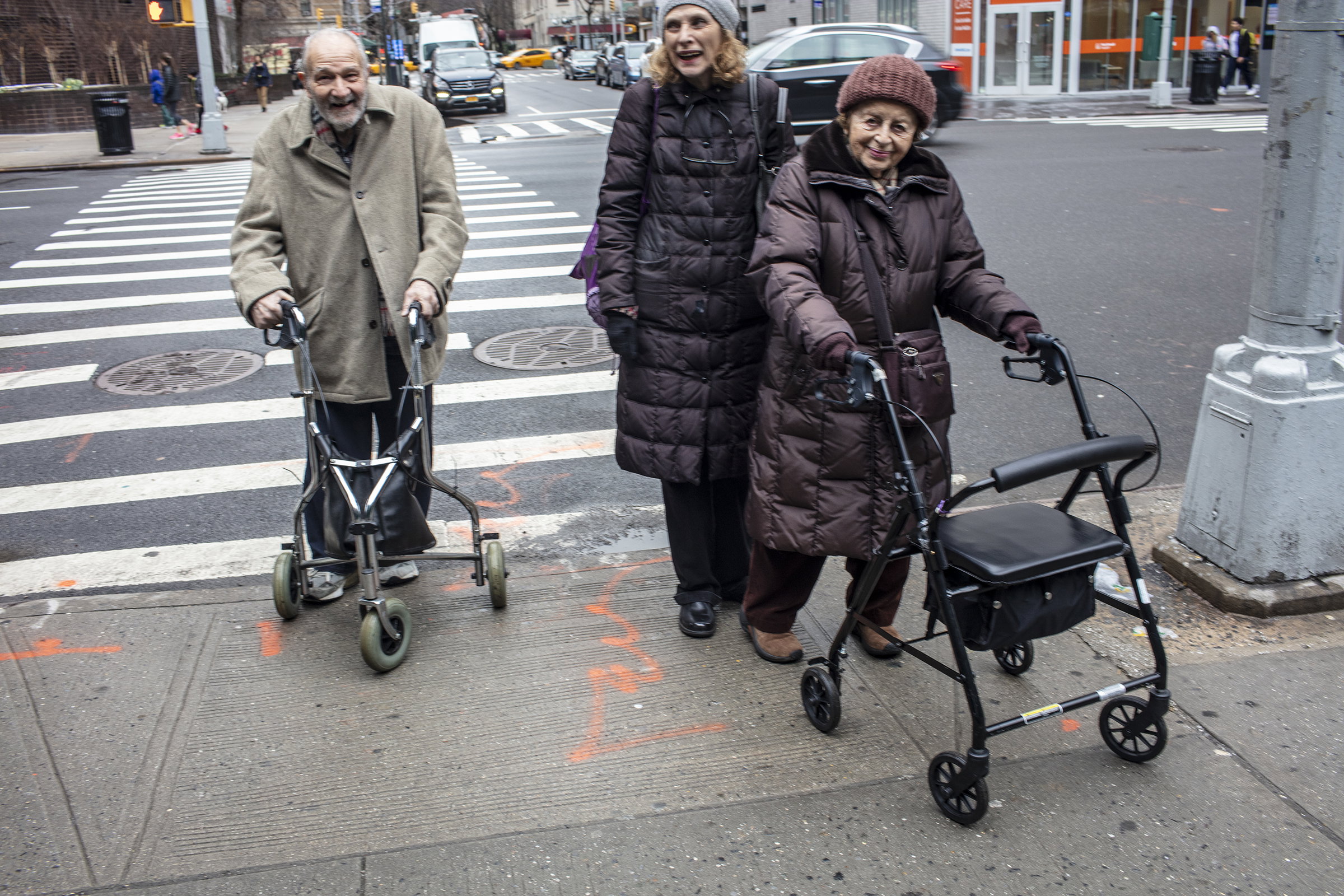
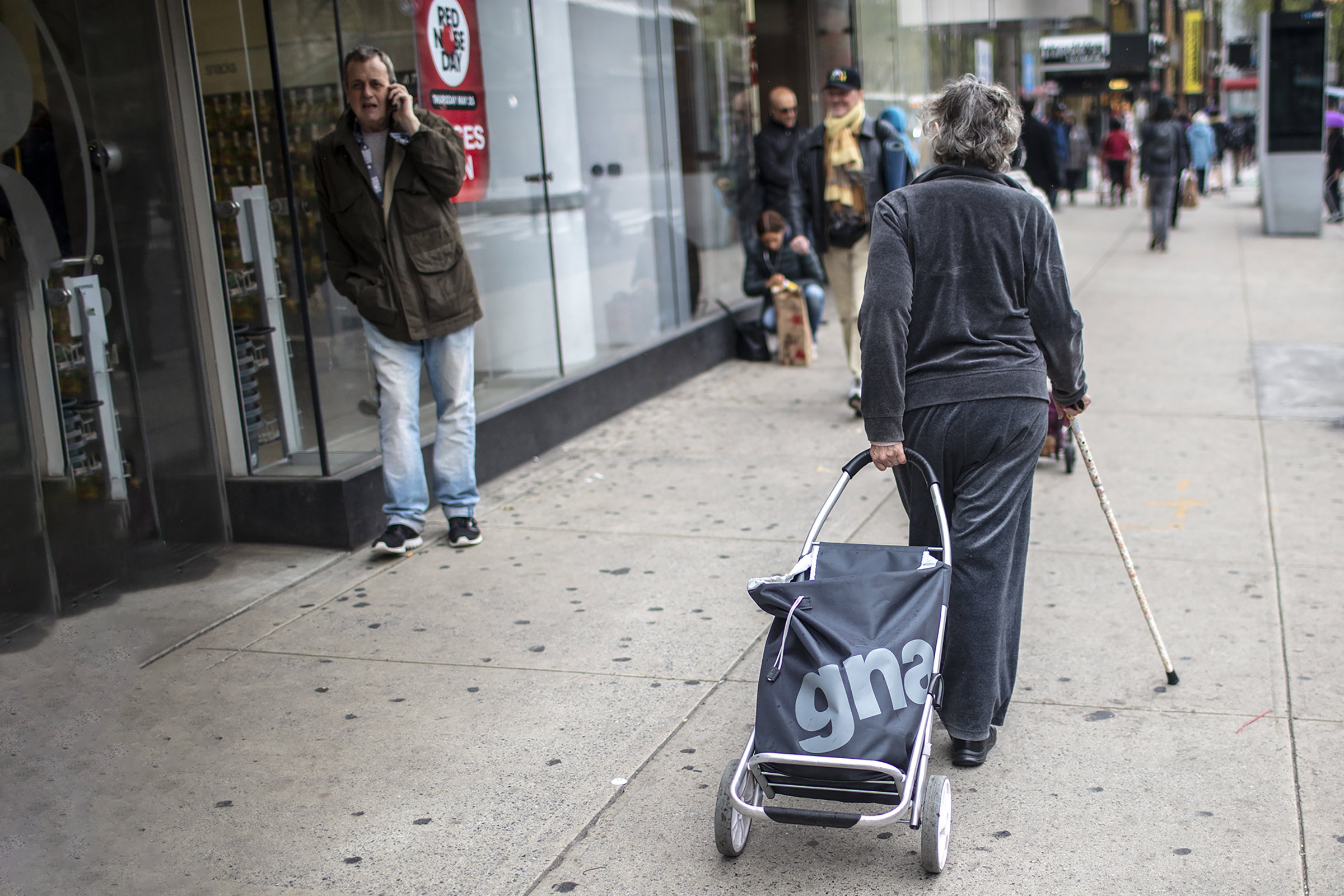
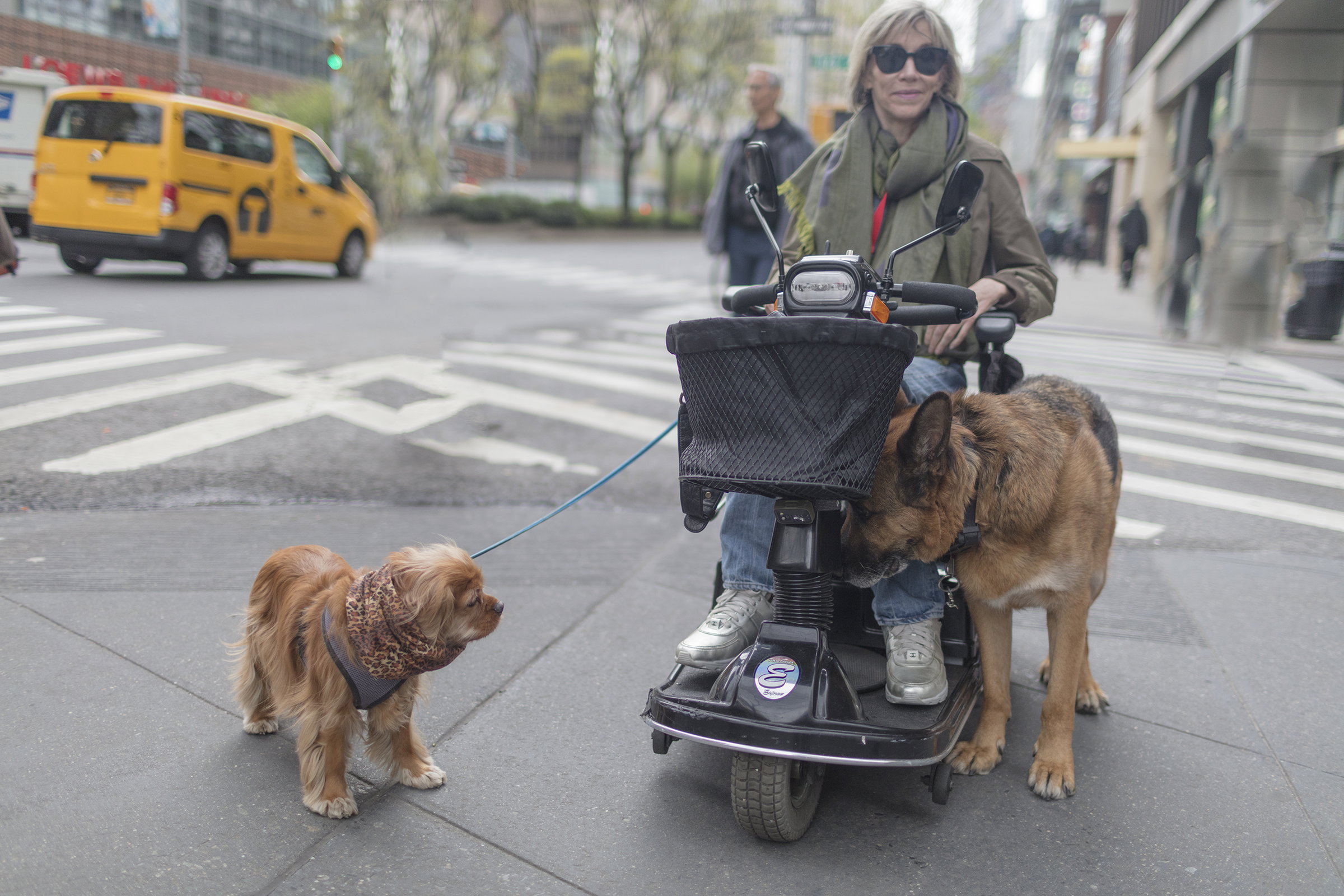
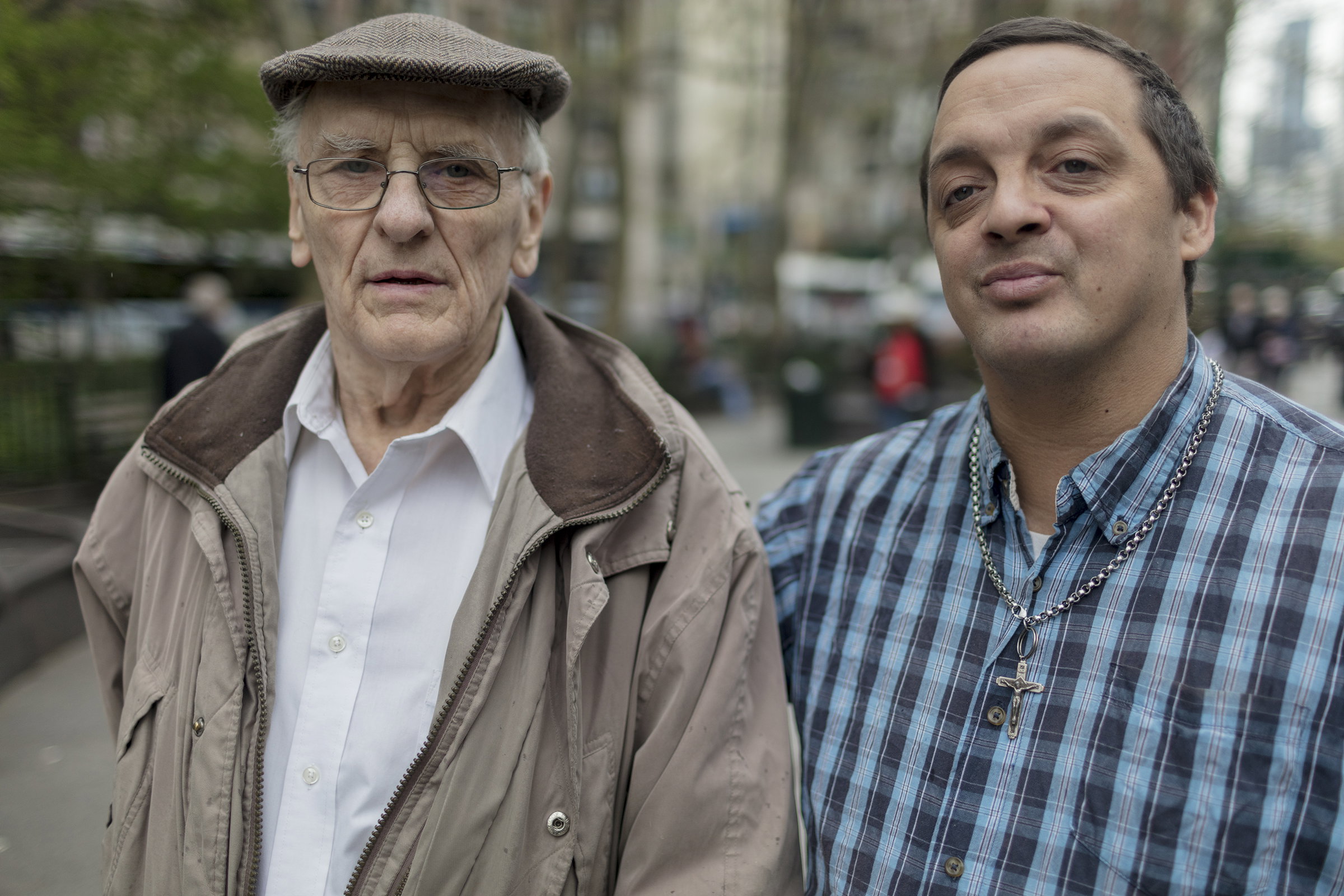
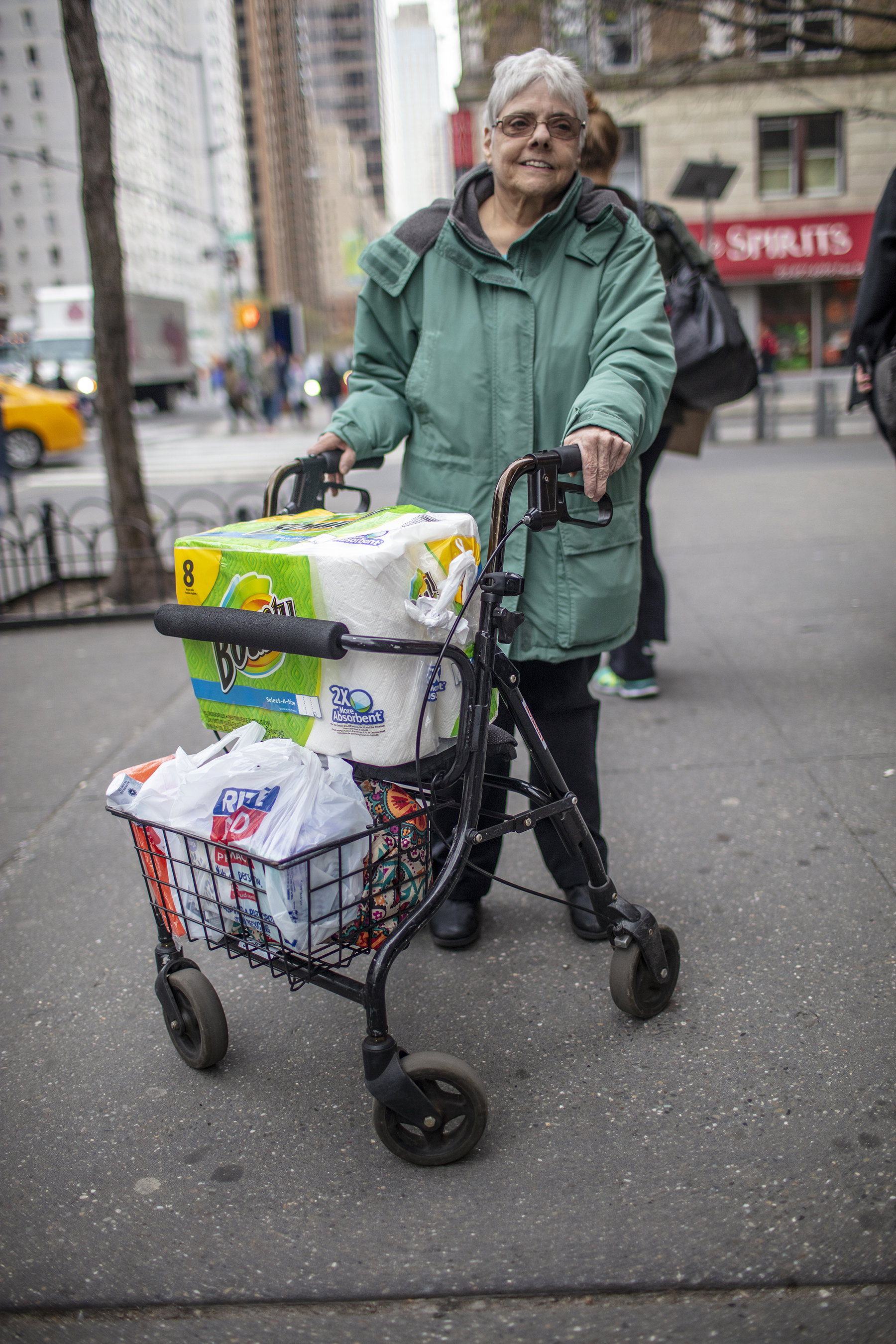
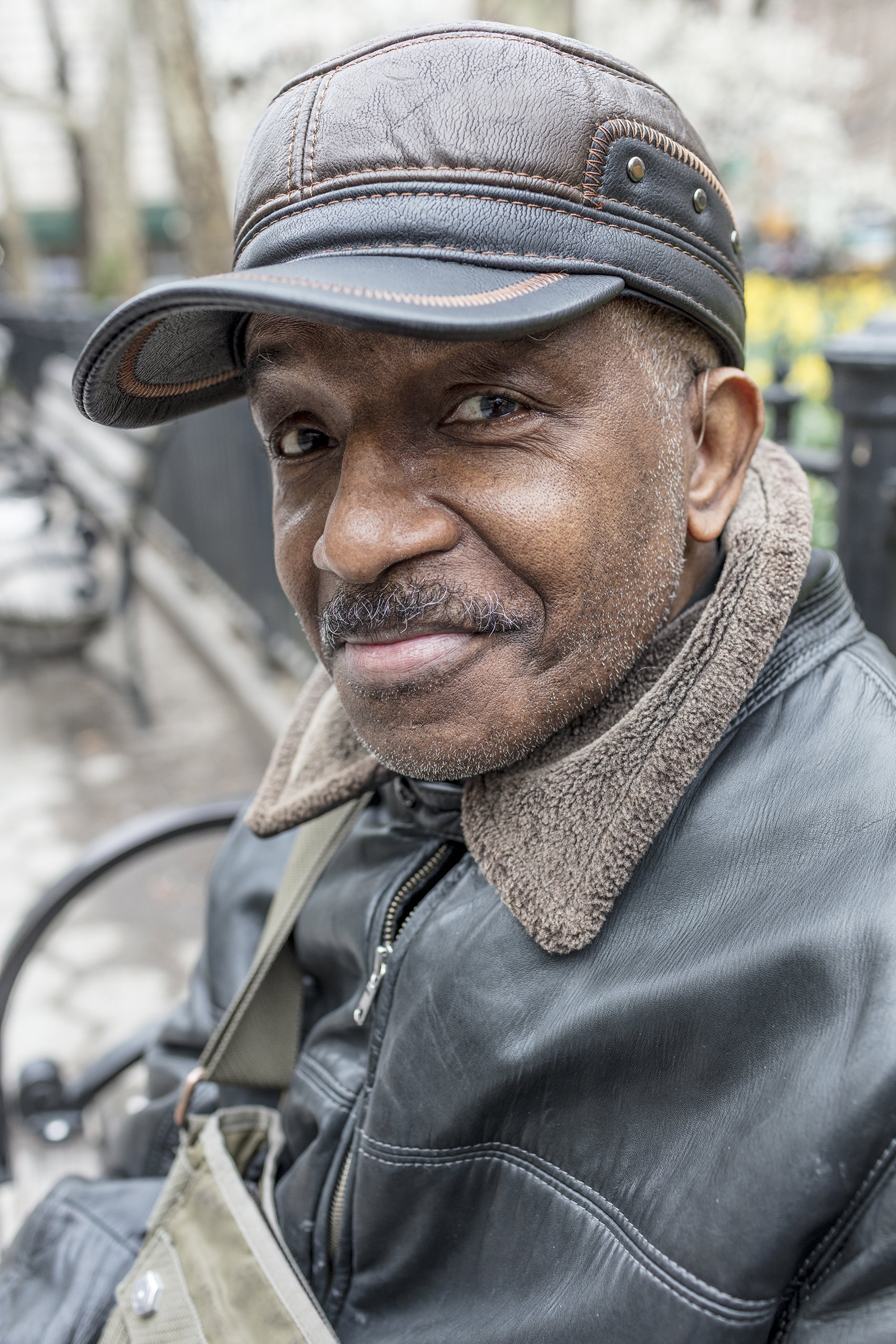
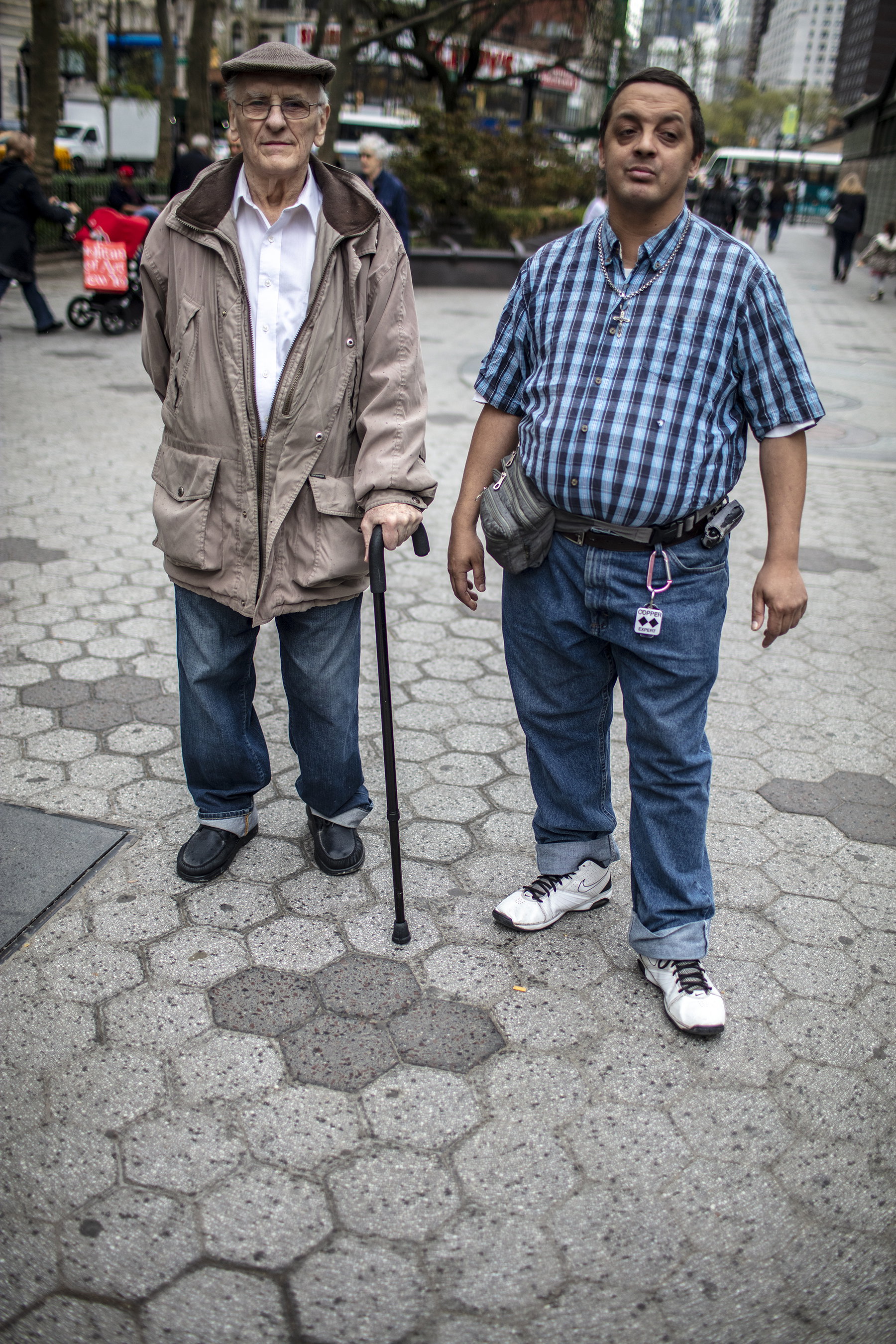
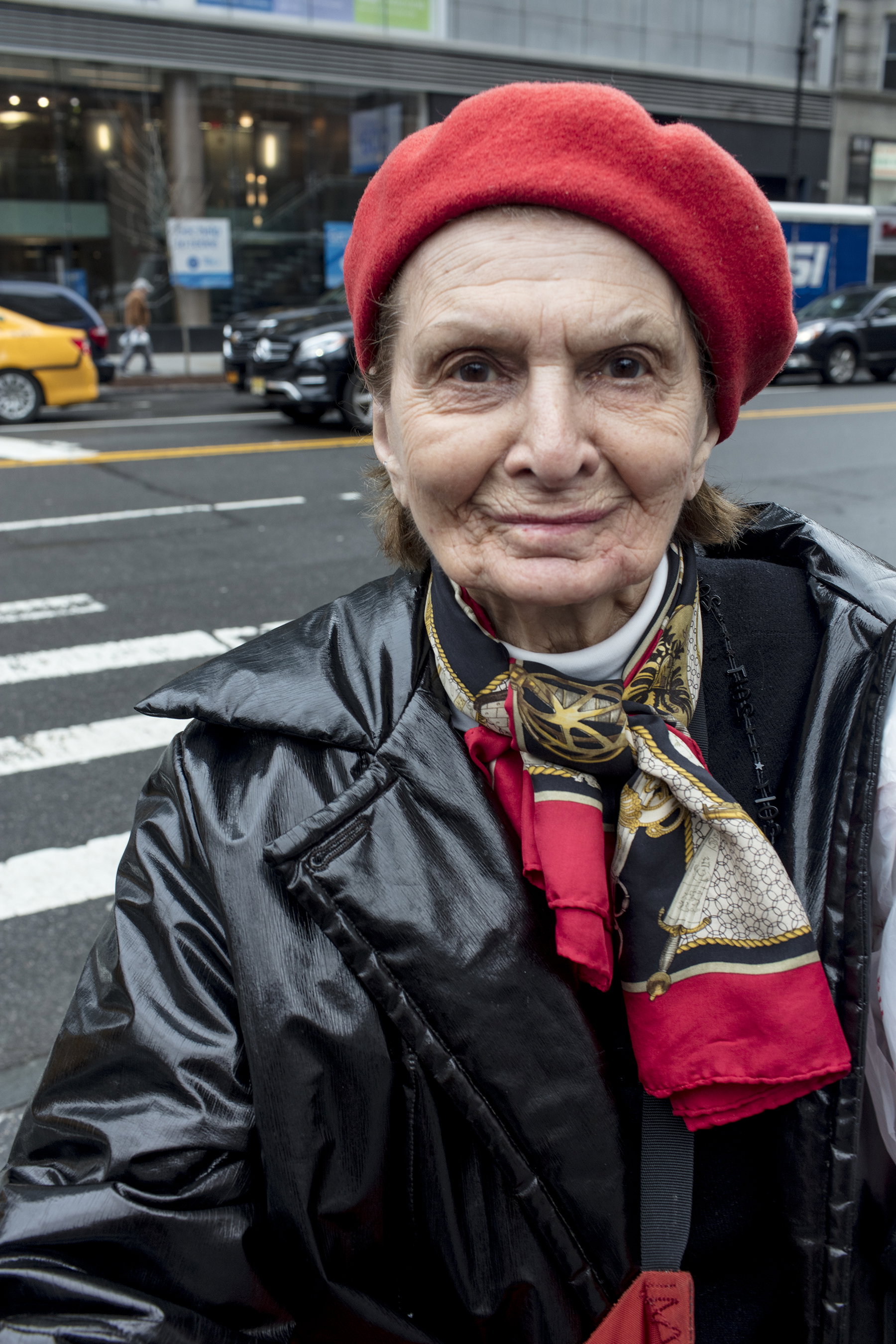
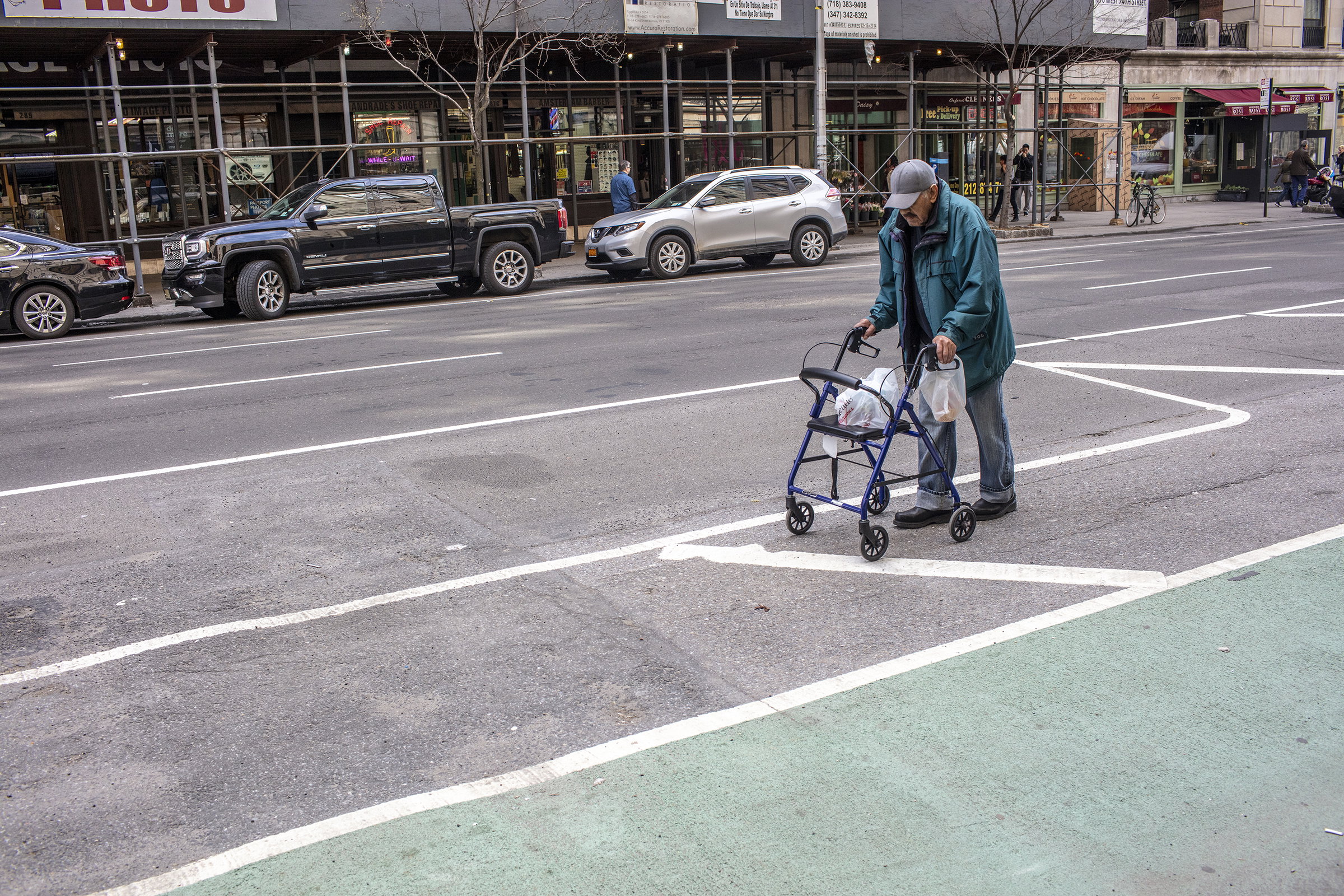
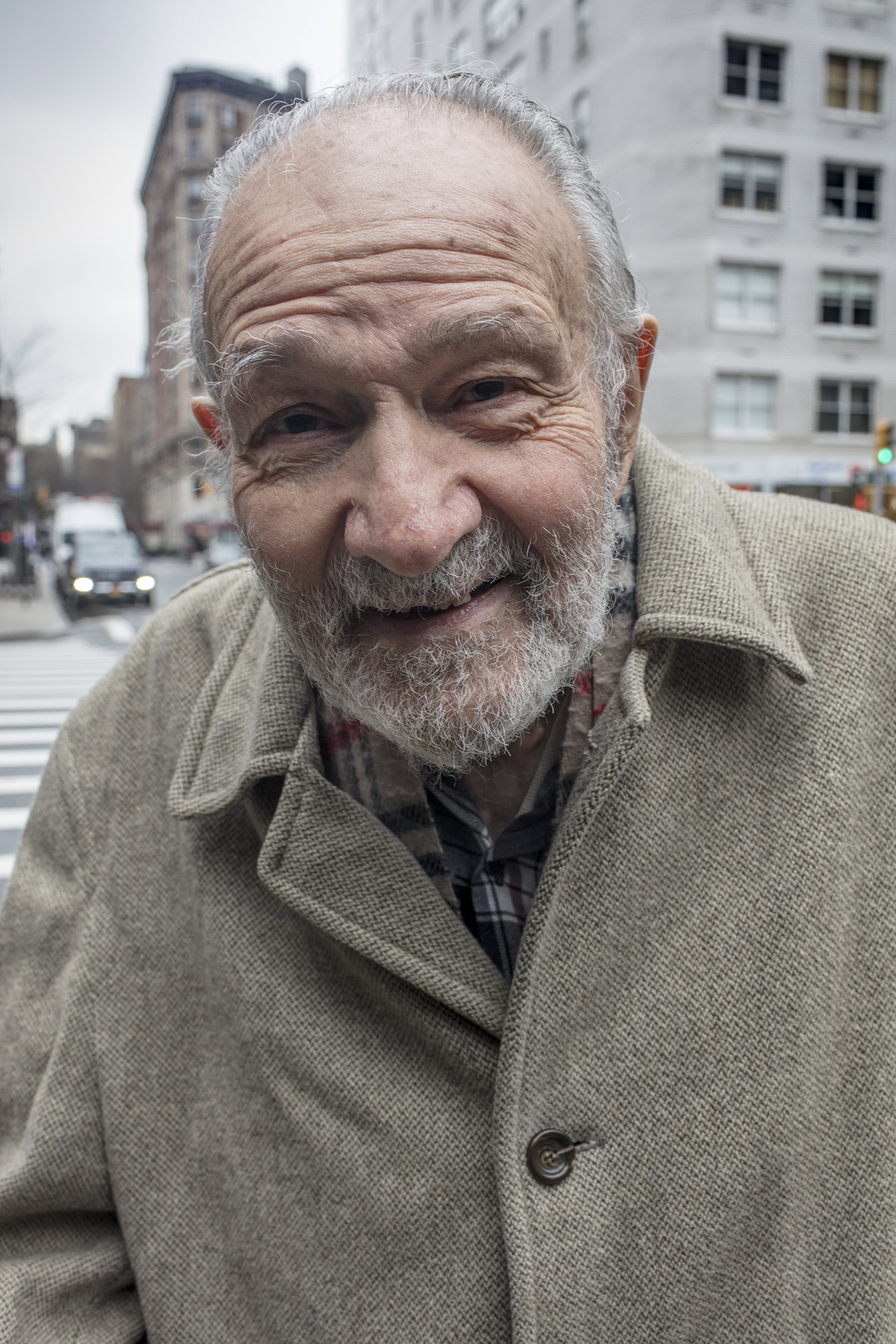
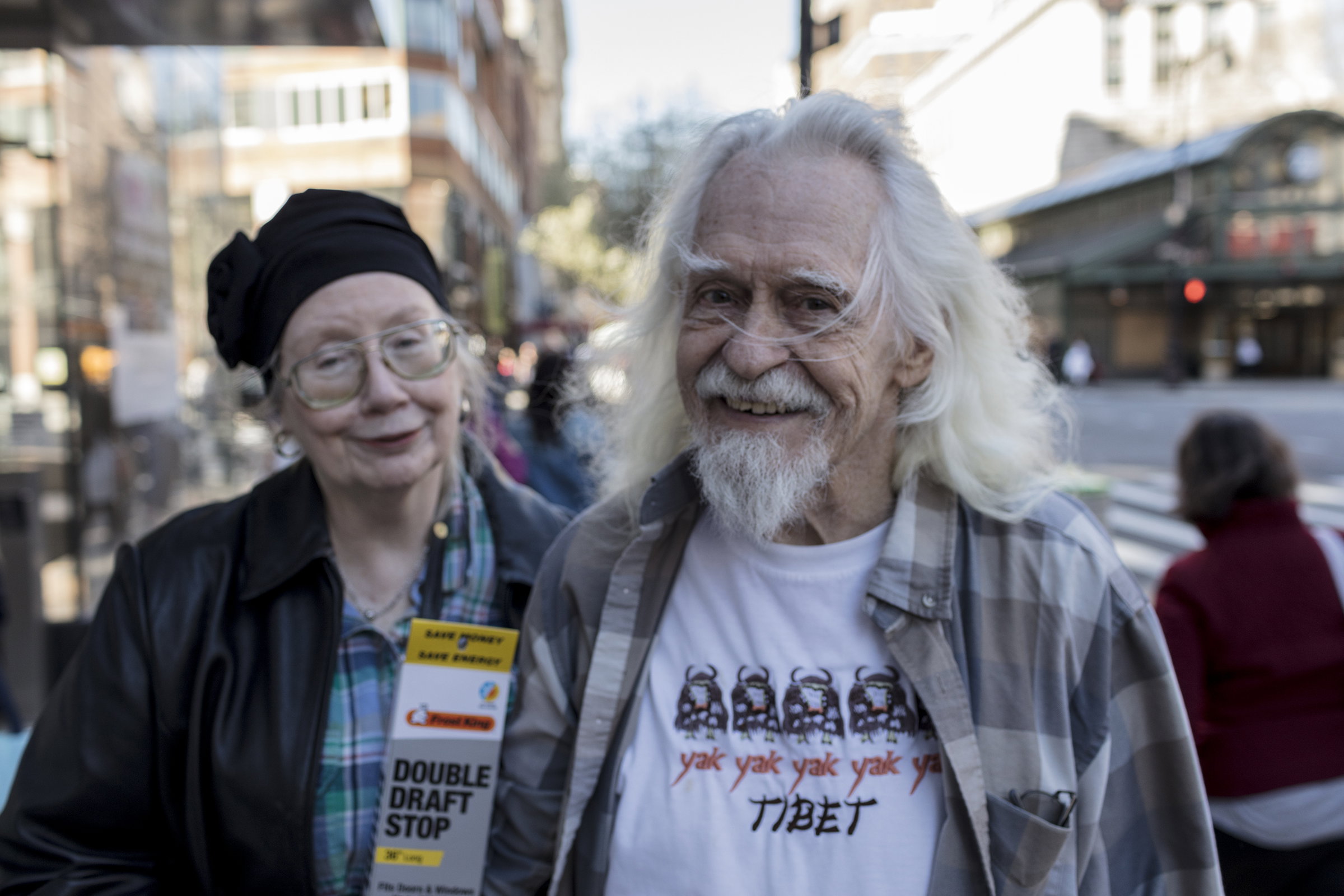
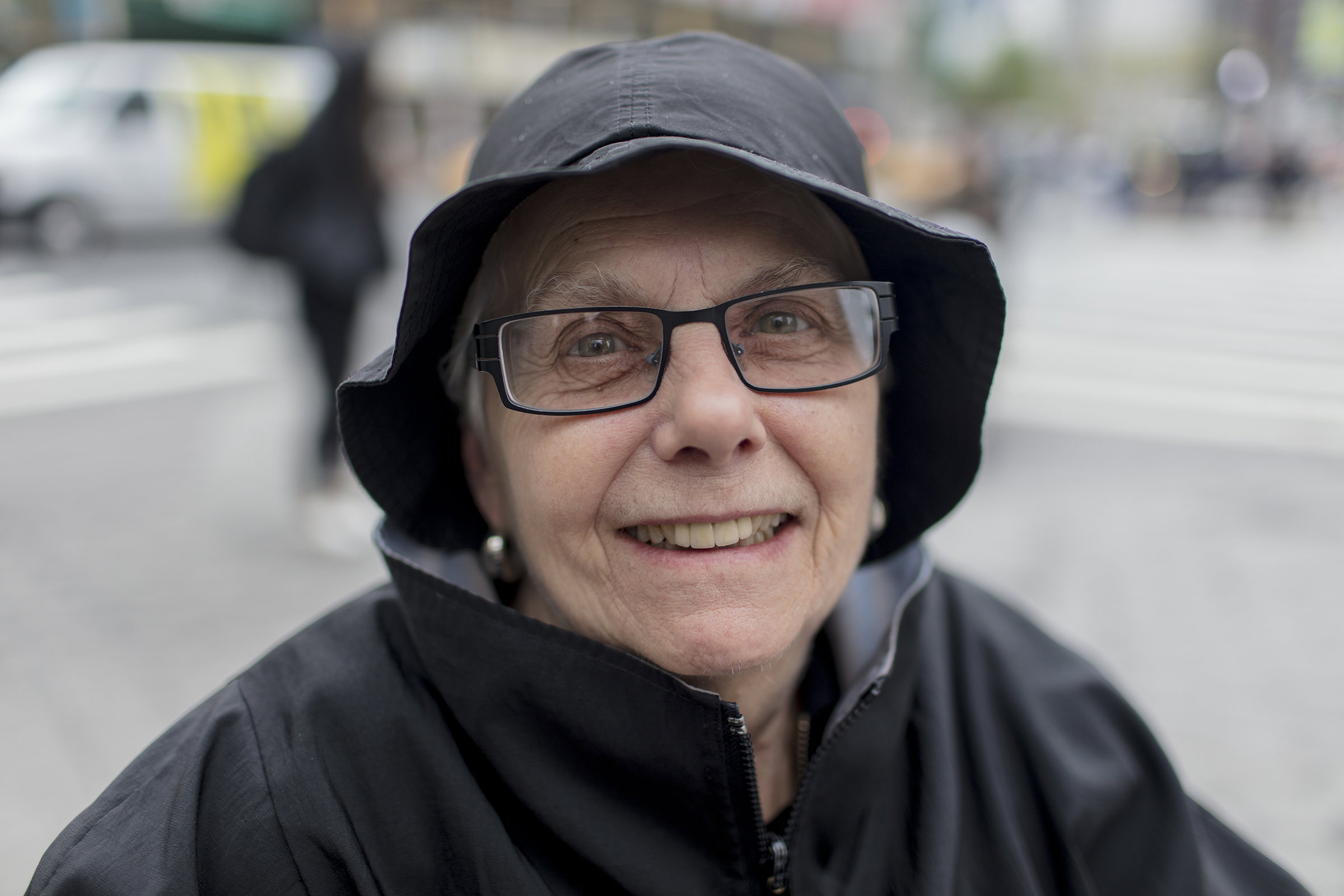
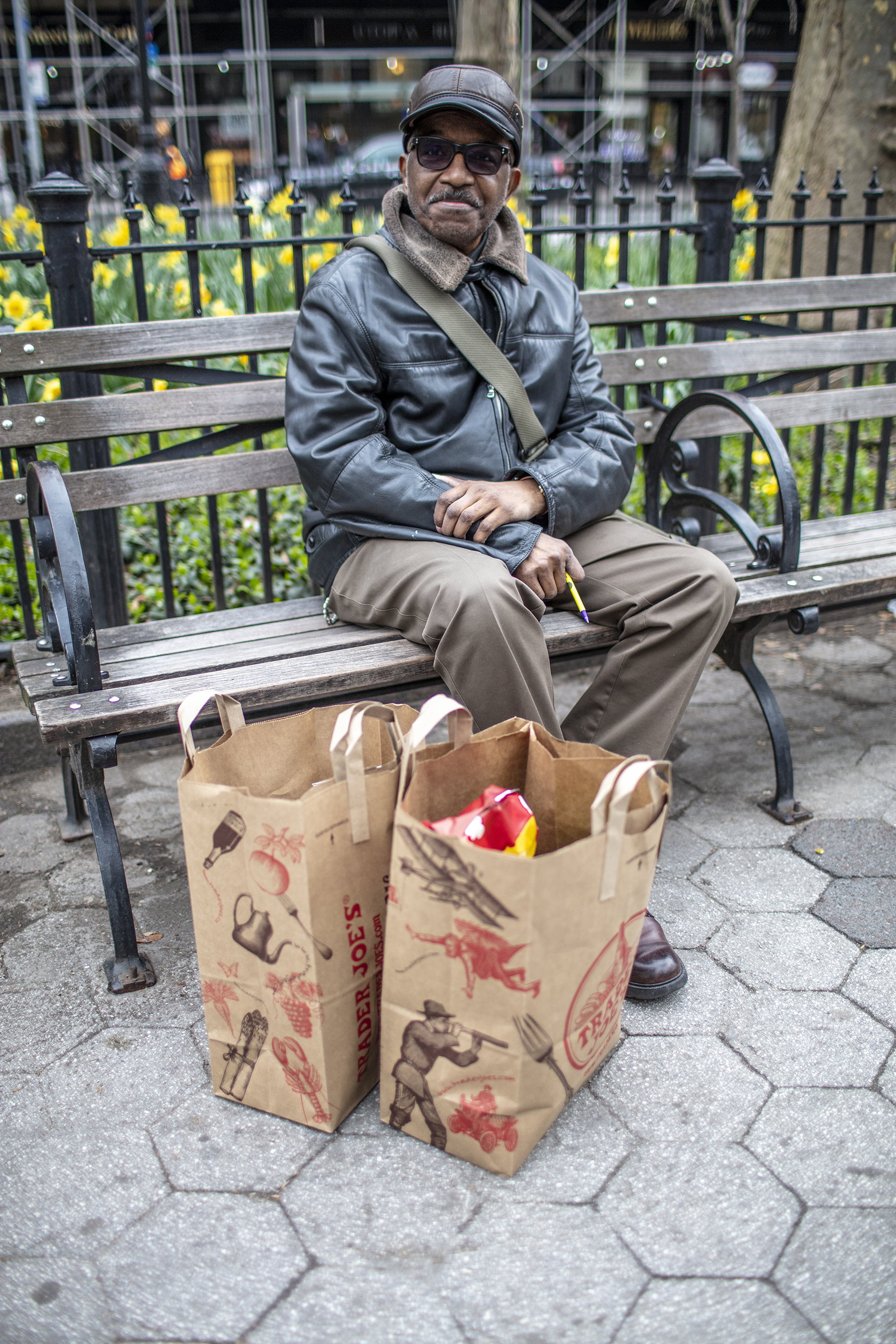
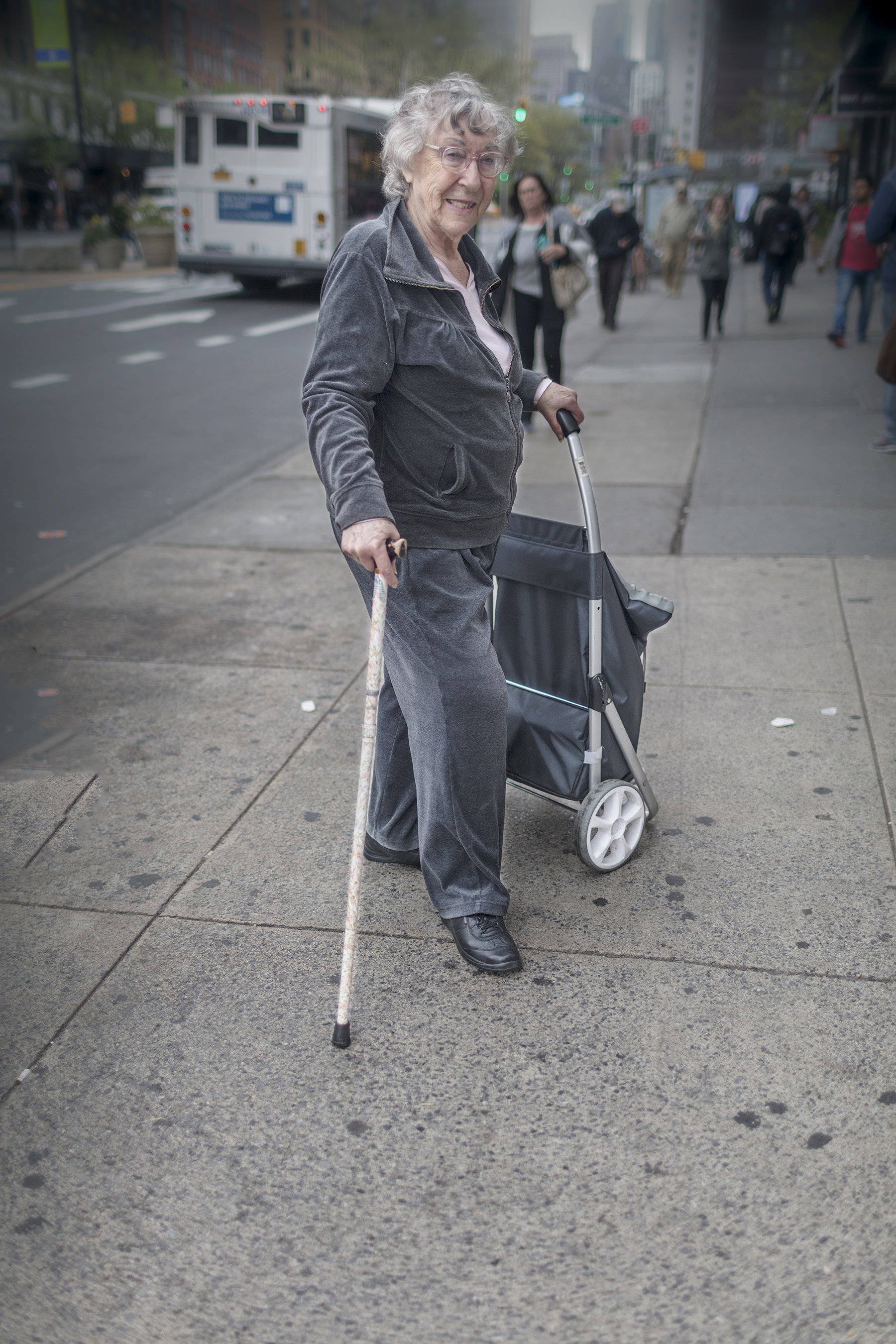
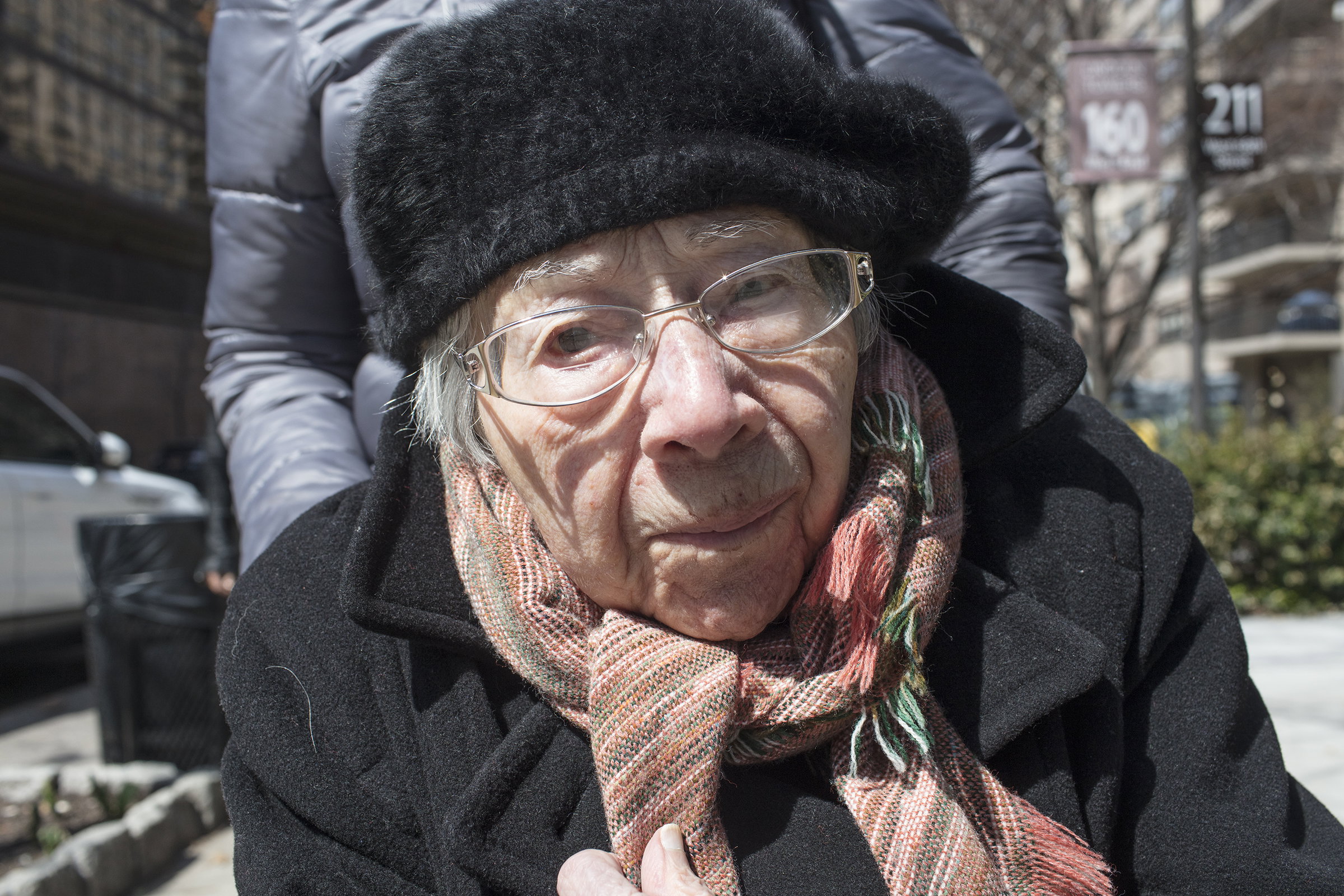
Project Statement
Getting Old & Getting Out
Getting Old & Getting Out emerges from the convergence of long-term psychotherapeutic practice and sustained urban observation. The work proposes an alternative to the extractive conventions of street photography, positioning the camera as a site of encounter rather than capture. In this context, the exhibition functions as an act of sustained attention, redirecting focus toward individuals who remain physically present within the city yet are routinely overlooked.
The work engages aging not as a subject, but as a condition through which visibility is negotiated.
The project is grounded in repetition, duration, and proximity. Each photograph follows an exchange—an interaction shaped by listening, time, and mutual acknowledgment. This approach resists the immediacy of the fleeting image, allowing subjects to remain fully within their own presence rather than being reduced to momentary observation.
Within the series, public space operates as an active field. Sidewalks, entrances, benches, and transit zones are not simply settings, but sites where presence is negotiated. The individuals depicted move within systems defined by speed and productivity, while existing within a different temporal register. Attention is directed toward posture, gesture, and pause—subtle indicators of lived experience that often remain outside the dominant field of perception.
Meaning accumulates across the work. No single image carries resolution. Instead, the series unfolds through sequencing and spatial rhythm, forming a continuum that reflects persistence rather than event. Repetition allows recognition to emerge gradually, through duration rather than immediacy.
Text appears selectively, drawn from conversation yet intentionally restrained. It offers proximity without explanation, preserving the autonomy of each individual while reinforcing the ethical framework of the work.
In a cultural environment structured around acceleration and forward motion, certain lives become visually peripheral. Getting Old & Getting Out does not attempt to resolve this condition.
It sustains attention within it.
Presence is not introduced by the work.
It is made perceptible.

Getting Old & Getting Out is a long-term photographic project exploring visibility and presence in urban public space.
Through sustained engagement with elderly and unhoused individuals in New York City, the work examines how lives persist within environments structured to overlook them.
Herb Bardavid CV
PHOTOGRAPHIC PRACTICE:
Photographer working at the intersection of portraiture, urban observation, and duration. His work examines visibility, presence, and lived experience within public space, with a focus on individuals often overlooked within the visual culture of contemporary cities.
EDUCATION & TRAINING:
- International Center of Photography, New York, NY
- The New School, New York, NY
- School of Visual Arts, New York, NY
- Projects Incorporated (founded by Minor White), Cambridge, MA
Formal training in photography and darkroom practice, grounded in the photographic traditions associated with Minor White. Supplemented by international study and workshops in Ecuador, Peru, Cuba, and Marseille.
SELECTED EXHIBITIONS:
- Cambridge, MA — Solo Exhibition, 1969
- Third Eye Gallery, New York, NY
- Great Neck, NY — Two Exhibitions
- Umbrella Arts Gallery, New York, NY — Group Exhibition
- African American Museum, Hempstead, NY — Juried Exhibition (Long Island Center of Photography)
- Paper City Studios, Holyoke, MA — Group Exhibition
- A Photographer’s Place, Williston Park, NY — Two Exhibitions
PUBLICATIONS:
- PDN Photo Magazine
- The Gotham Gazette
- WBAI Folio
- ArtTour International Magazine.
MEDIA & PRESS:
- CBS News — Television Feature
- NBC New York — Television Feature
- International Broadcast Feature — Japan
- Patch News — Weekly feature series (2017–2020), with international readership across the United States, Europe, Asia, and Africa
PROJECTS:
- Getting Old and Getting Out in New York City Long-term photographic and narrative project examining aging, visibility, and presence within urban public space.
- Concrete Pillows Ongoing photographic project focused on homelessness in Manhattan, exploring lived experience, dignity, and public perception.
AFFILIATIONS:
- Circle Foundation for the Arts — Selected Artist
PROFESSIONAL BACKGROUND:
Licensed Clinical Social Worker with over four decades of experience in psychotherapy. This background informs a relational photographic methodology grounded in listening, presence, and ethical engagement.
Herb Bardavid Media Kit
Please wait a moment while the flipbook loads.
CONTACT ME
Herb Bardavid